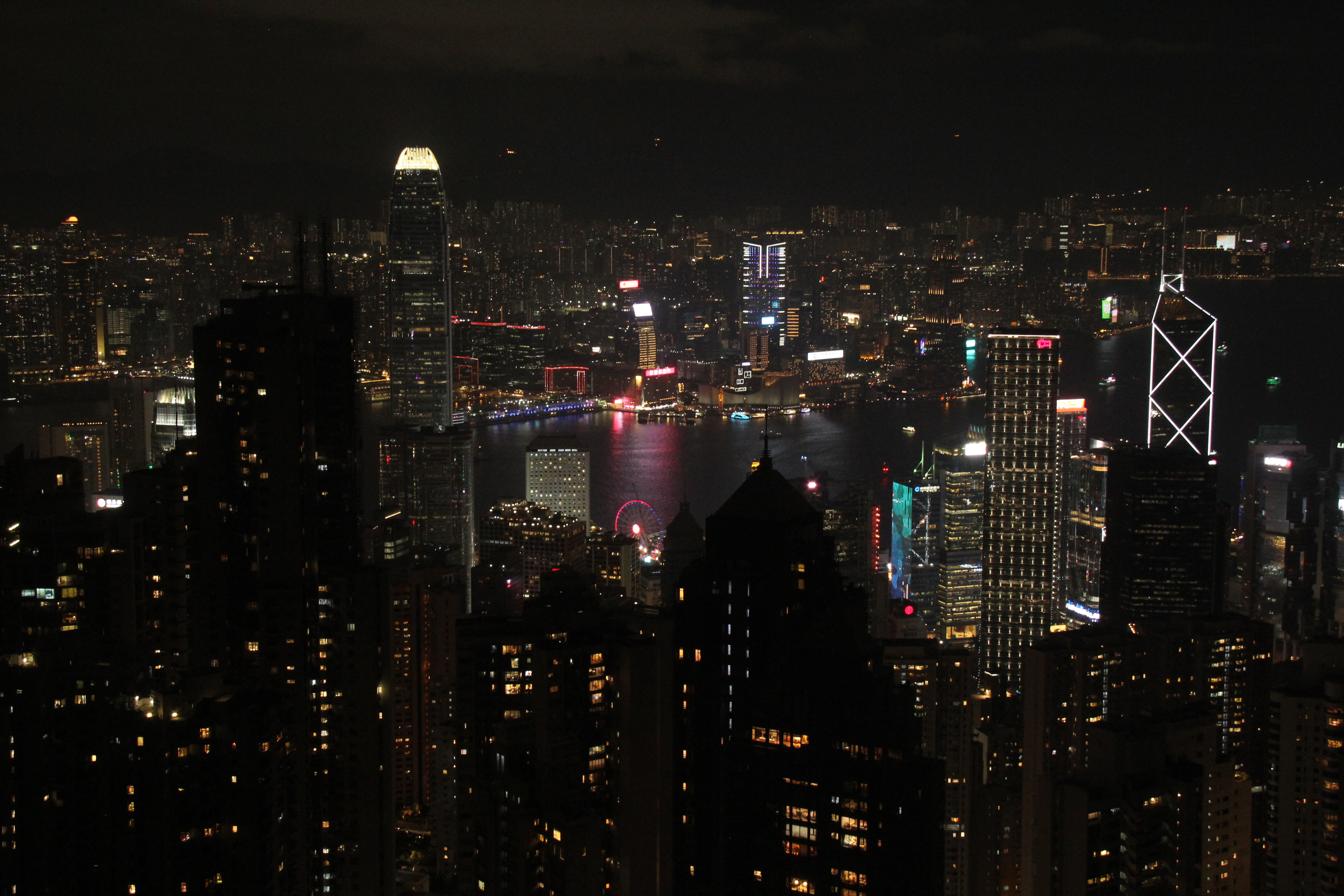
For a city as large and developed as it is, nature is surprisingly quite accessible in Hong Kong. Although the urban areas are famously extremely densely populated, there are also a lot of outlying islands that are simultaneously full of nature and yet extremely easy to access by public transit.
I was recently in Hong Kong on a business trip, staying there for about two weeks. I won’t bore the readers of this blog with the details of the work I got up to during that time, but in between those two weeks of work, I happened to have a free weekend. Being me, I naturally formed a slightly insane plan: what if I brought all my backpacking gear and did a weekend trip on one of the local long-distance trails? I suppose this is not a canonical business trip activity,1 but I was fairly eager to get a hiking trip in because the weather wouldn’t be warm enough to go backpacking in the United States for another few months at least, so I figured I just had to take advantage of the opportunity. Plus, what better way is there to explore a new place than walking around?2
After doing a bit of online research, I ended up settling on the Lantau Trail, a forty-mile circuit of Lantau Island. Of course, this is a slightly crazy thing to attempt in one weekend, especially since there’s a nontrivial roughly nine thousand feet of elevation gain along the trail. But I decided to press ahead with this because it’s relatively easy to bail, since you’re never more than a few miles from a road or town. Hiking the entire trail in one weekend was probably a bit aspirational, but I figured I could always just hike as much as I felt like doing and then catch a bus or taxi back to town.
To spoil the ending, I did not end up completing the entire forty miles; I did a much more reasonable distance of a little over twenty miles (although I did pretty much all the elevation gain, because I do love a good climb). Still, I was grateful for the chance to get outside in January and had a ton of fun, which I will describe in some detail below.
On Friday night after work, I grabbed a quick dinner and then took the ferry from my hotel in Central to the rural town of Mui Wo, where I started the trip by hiking about a mile and a half along the road to the campsite at Nam Shan. Walking along the empty road at night was fairly peaceful; the highlight was a random hillside cemetery with a view of the town lights in the valley below.
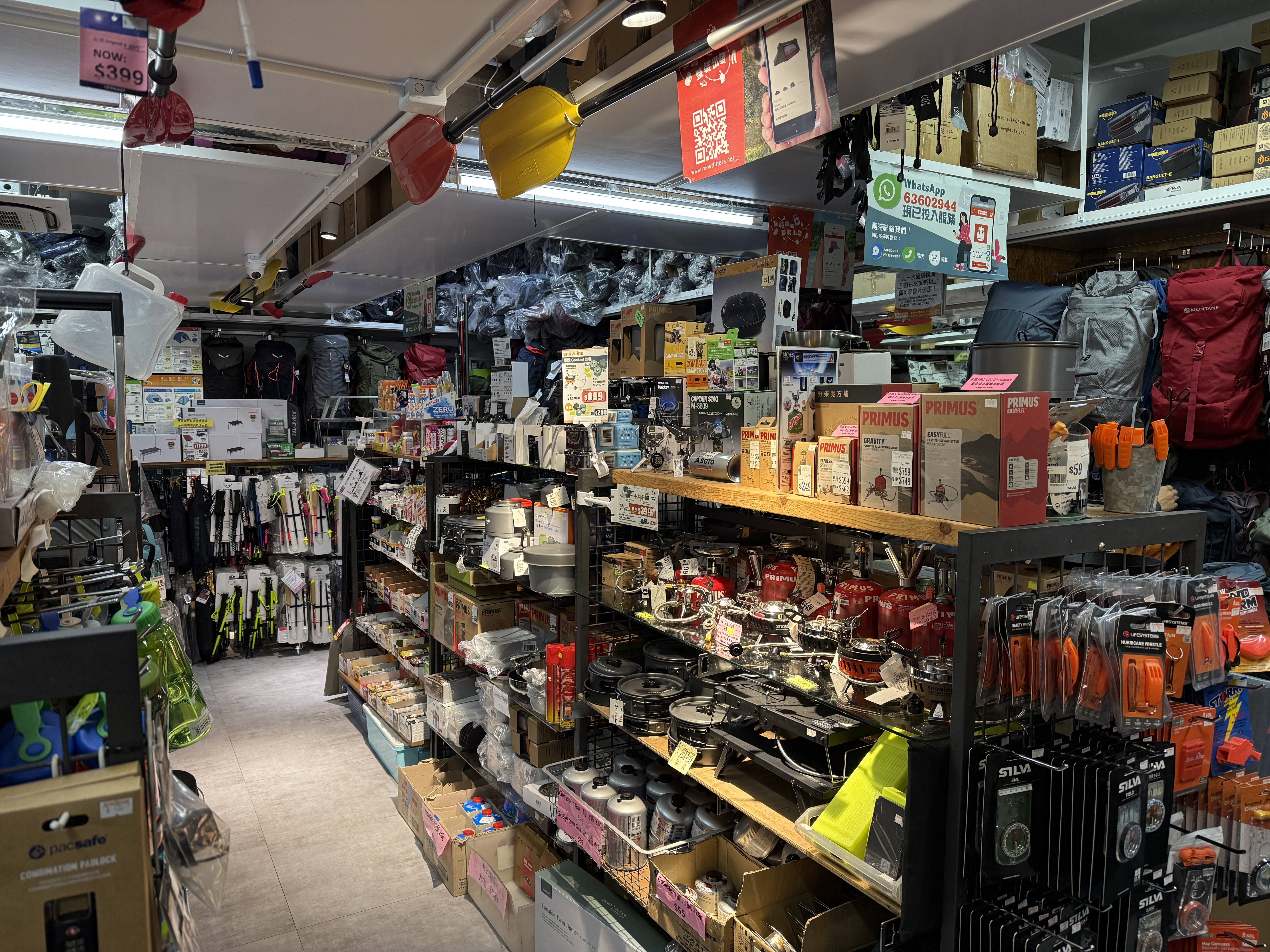
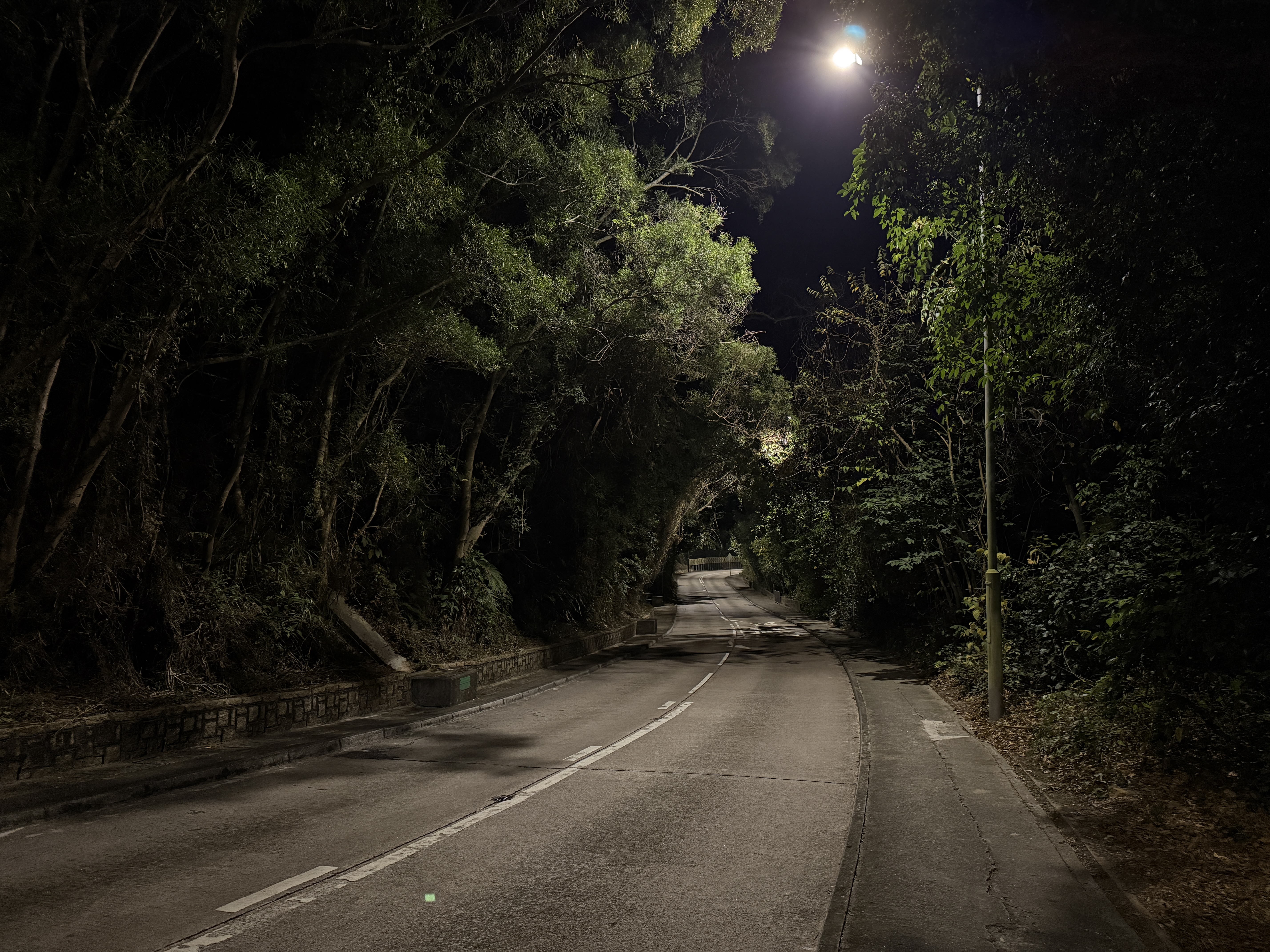
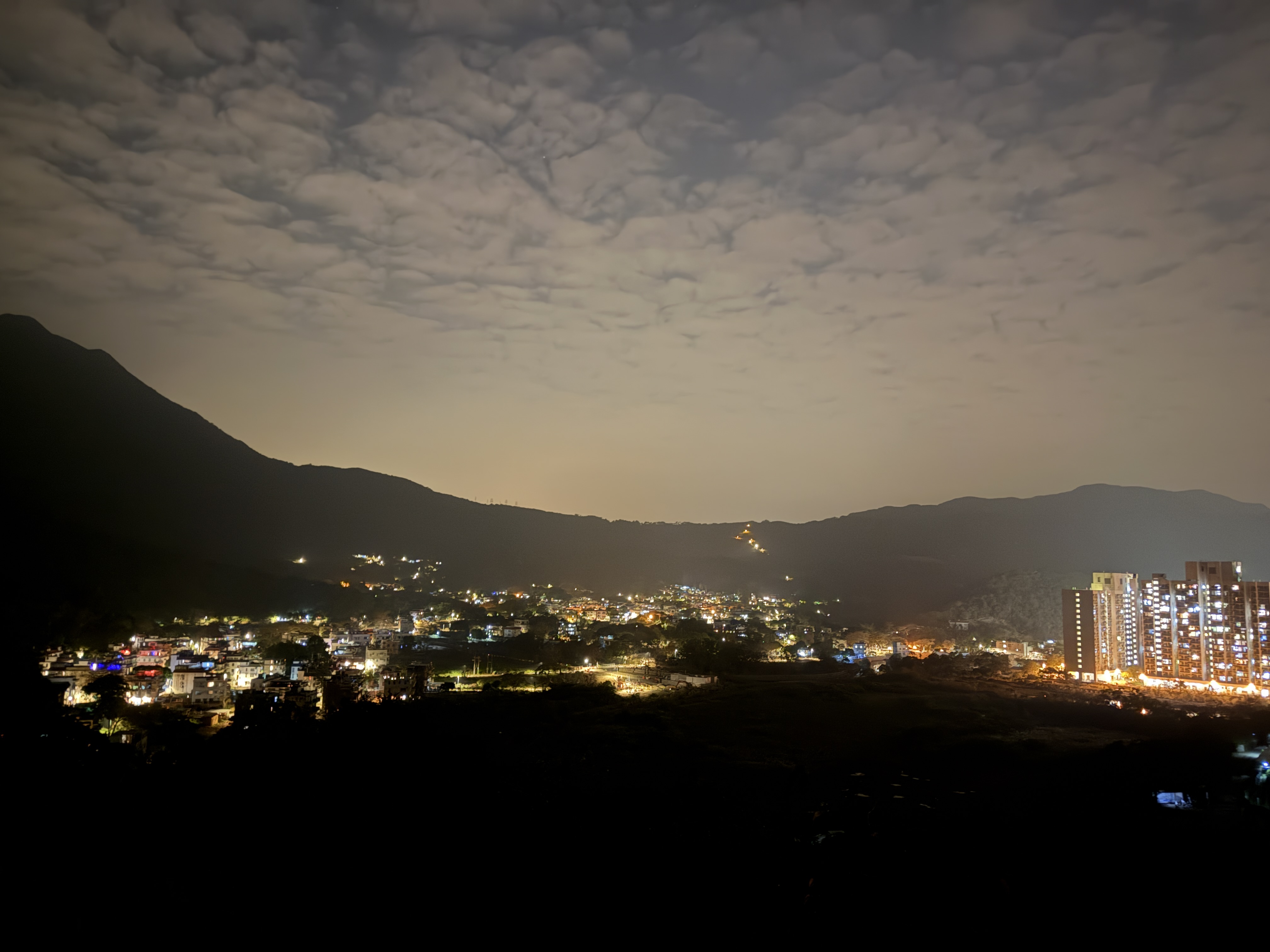
Just as I was about to turn off the road onto the short access trail to the campsite, I was stopped by a friendly Argentinian fellow, who told me that the way was a bit steep to navigate in the dark, and that there were giant spiders there. He advised me to instead take a slight detour along the road with him. I didn’t see the harm in night-hiking down a steep trail, but I also didn’t want to run into giant spiders, so I followed him. We chatted as we walked, and I found out that he was from Buenos Aires but was visiting Asia for a bit and had stationed himself at this campsite.
The campsite turned out to be quite crowded but in a pleasant, lively sort of way, with lots of people stringing up lights and hanging out in front of their tents. I snagged a quiet spot on a hill toward the back and set up camp, read a psalm, and turned in relatively early in anticipation of a somewhat early start to the following day. I think this was the first night that I’ve spent alone in a tent since college; having a two-person tent to yourself is quite the luxury.
I woke up the next morning and cooked a quick breakfast before setting out. I didn’t have a clear end point in mind for the day; if I were really to do the entire Lantau Trail in one weekend, I would have to make it well past Tai O on the first full day of hiking, but as stated, I had plenty of flexibility and so was not too worried about making enough mileage.
The initial part of the hike was no joke, heading straight up Yi Tung Shan and Sunset Peak with basically no warm-up. One interesting thing about Asian trails is that there are often a lot of stairs, which is both a good and bad thing. The stairs mean that the terrain is rarely very uneven, but it also seems like it makes trails on average quite steep; the steepness of the trails took me a bit by surprise. I briefly wondered what I was doing here suffering up this mountain, instead of, you know, relaxing back at the Four Seasons.
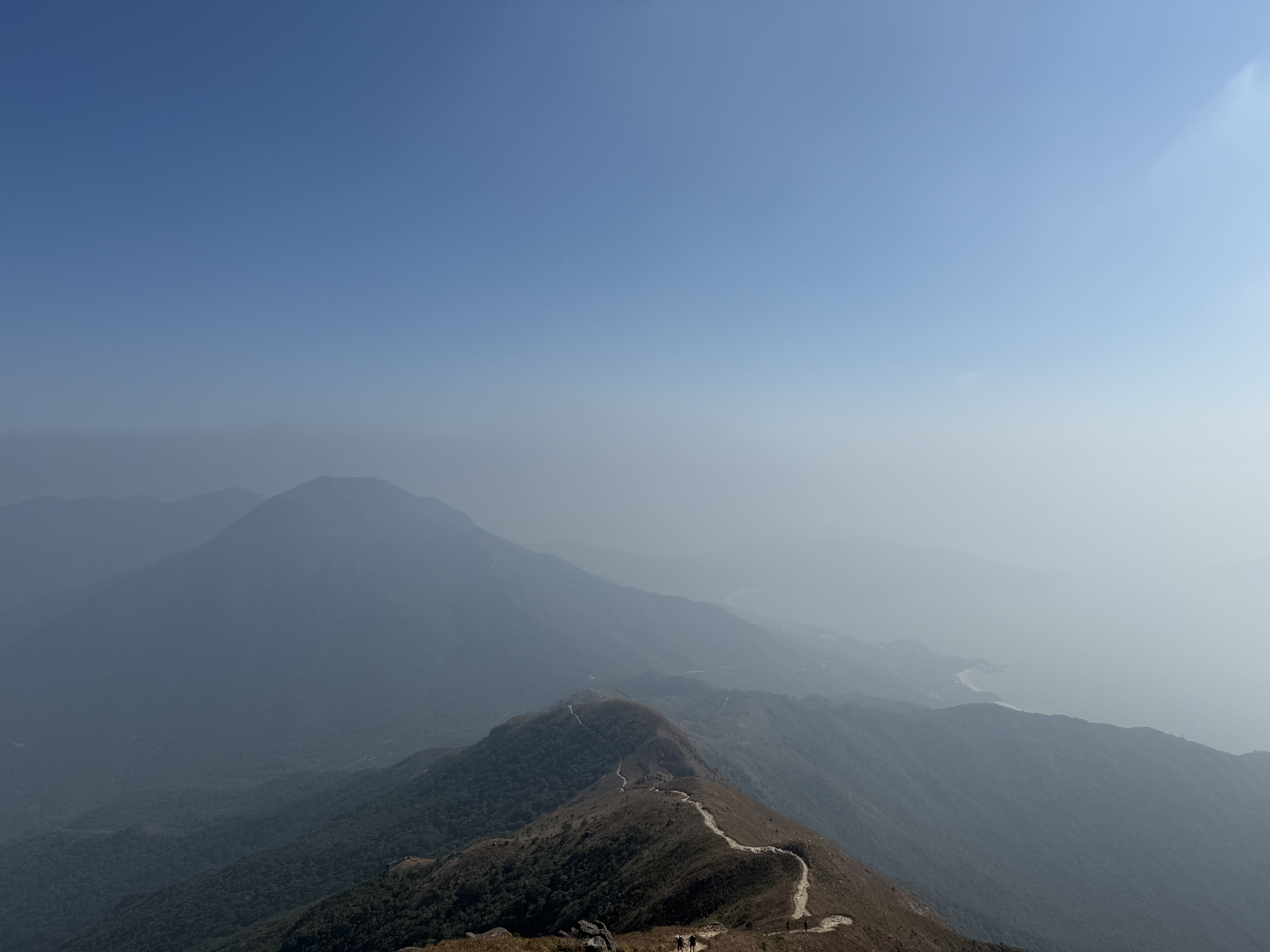
This early in the morning, there were very few other hikers around, making for a very peaceful few miles. My peace was briefly interrupted by a helicopter at Yi Tung Shan, but it was quickly restored as I went up Sunset Peak, with its famed silvergrass near the summit. The view from Sunset Peak looking toward Lantau Peak was quite nice, although I will admit to having been a tiny bit disappointed that much of the view was obscured by fog. It would have been quite nice to see the distant peak set against the ocean below, but oh well, it was still quite atmospheric.
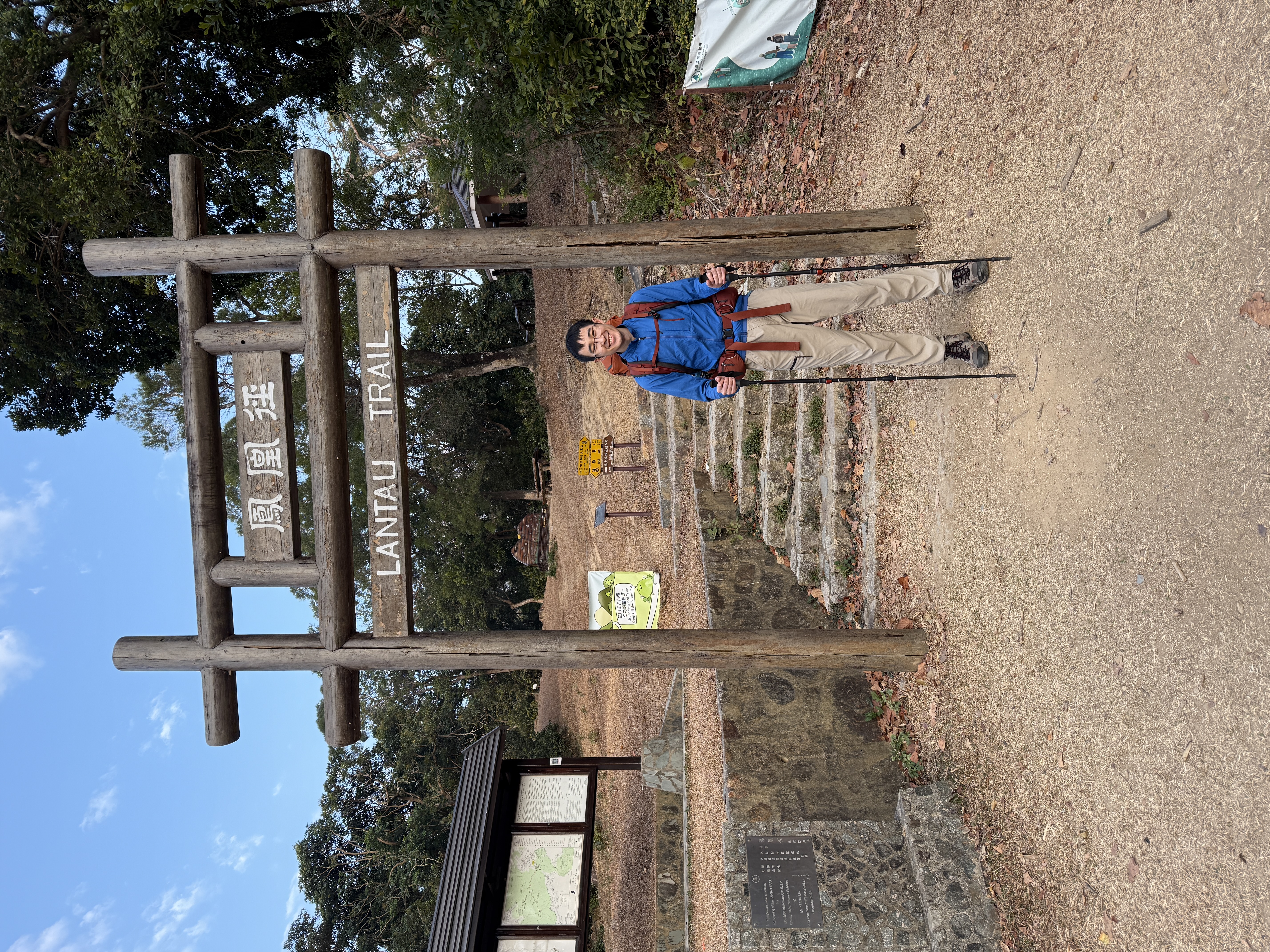
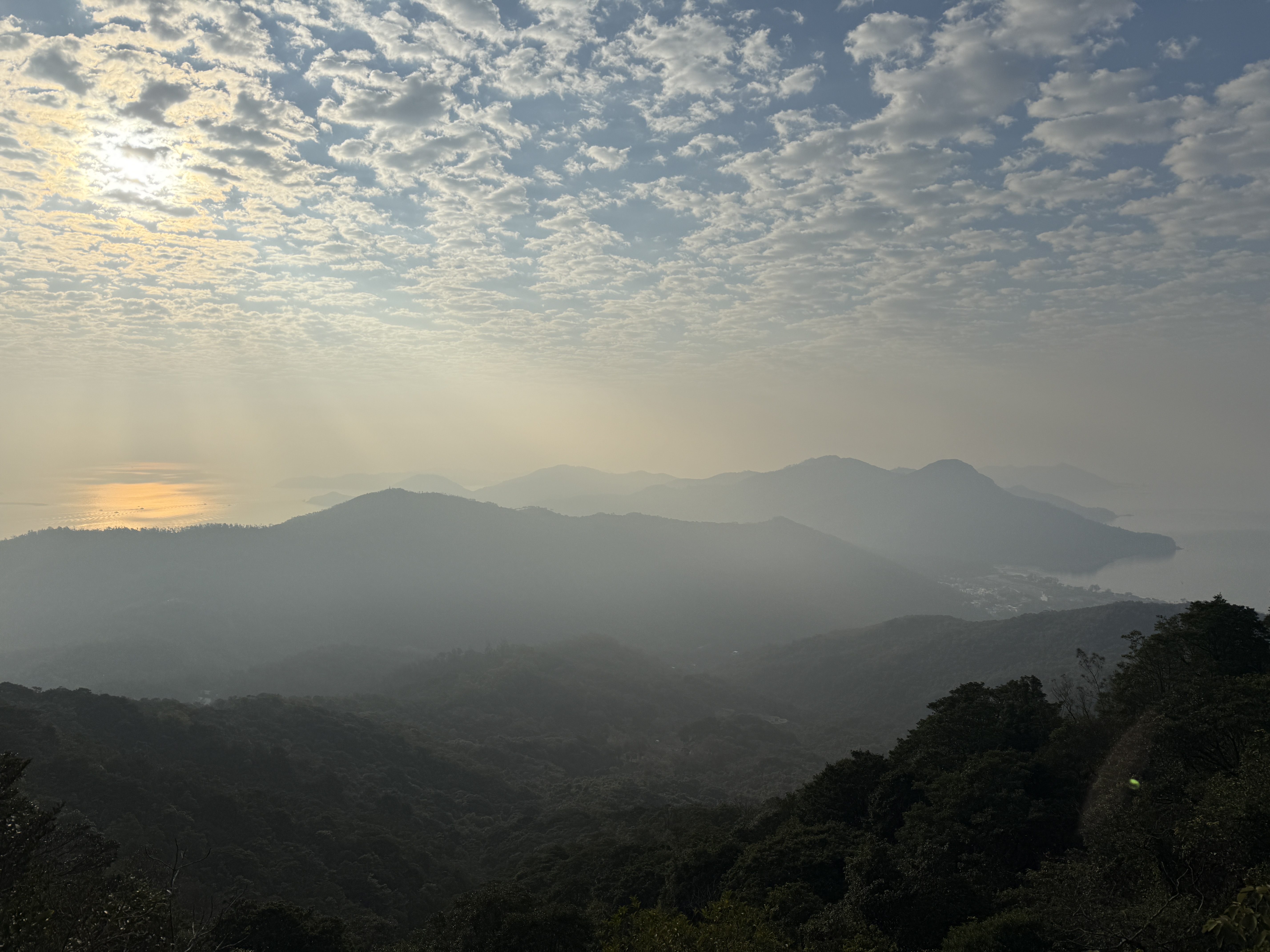
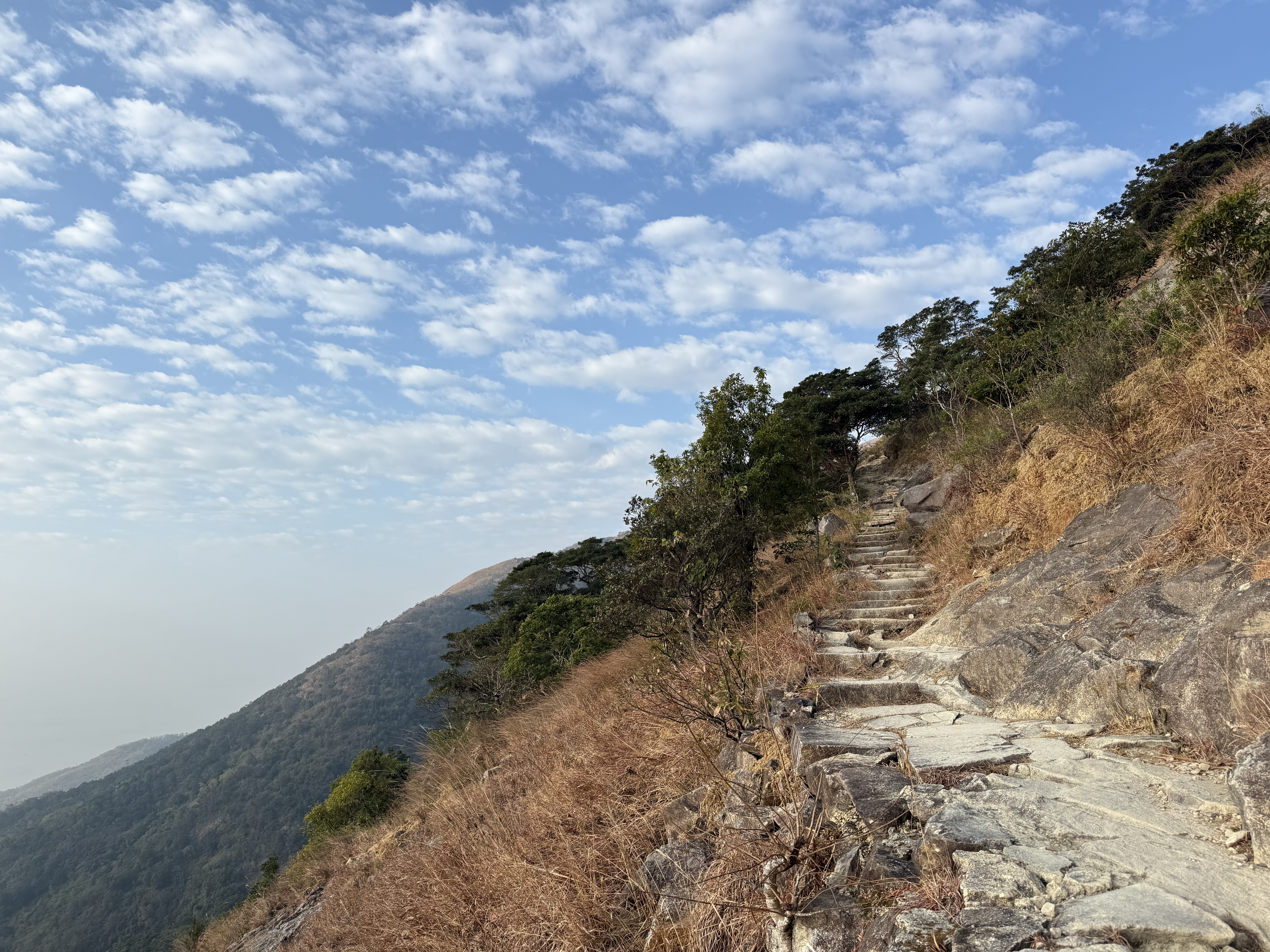
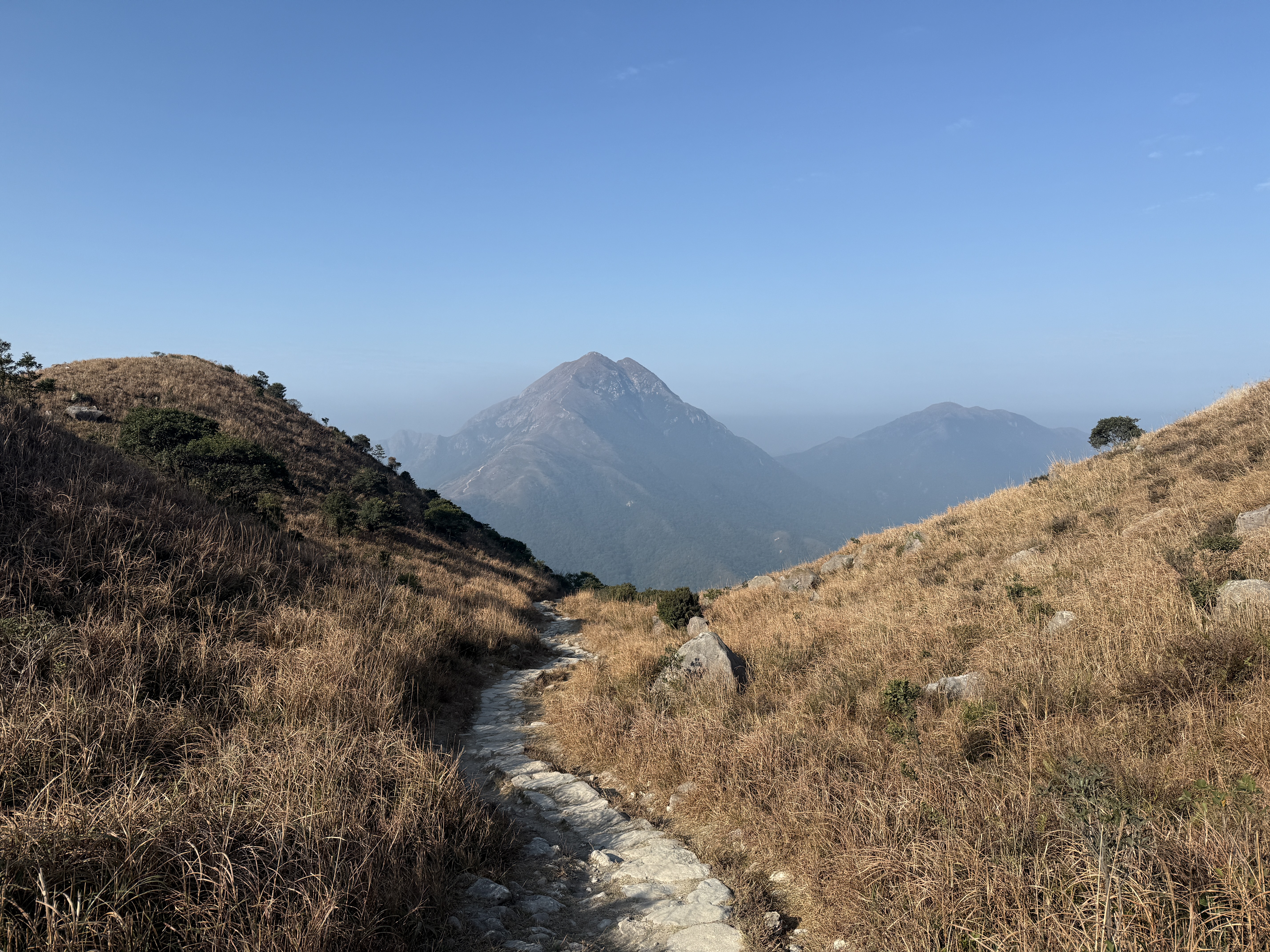
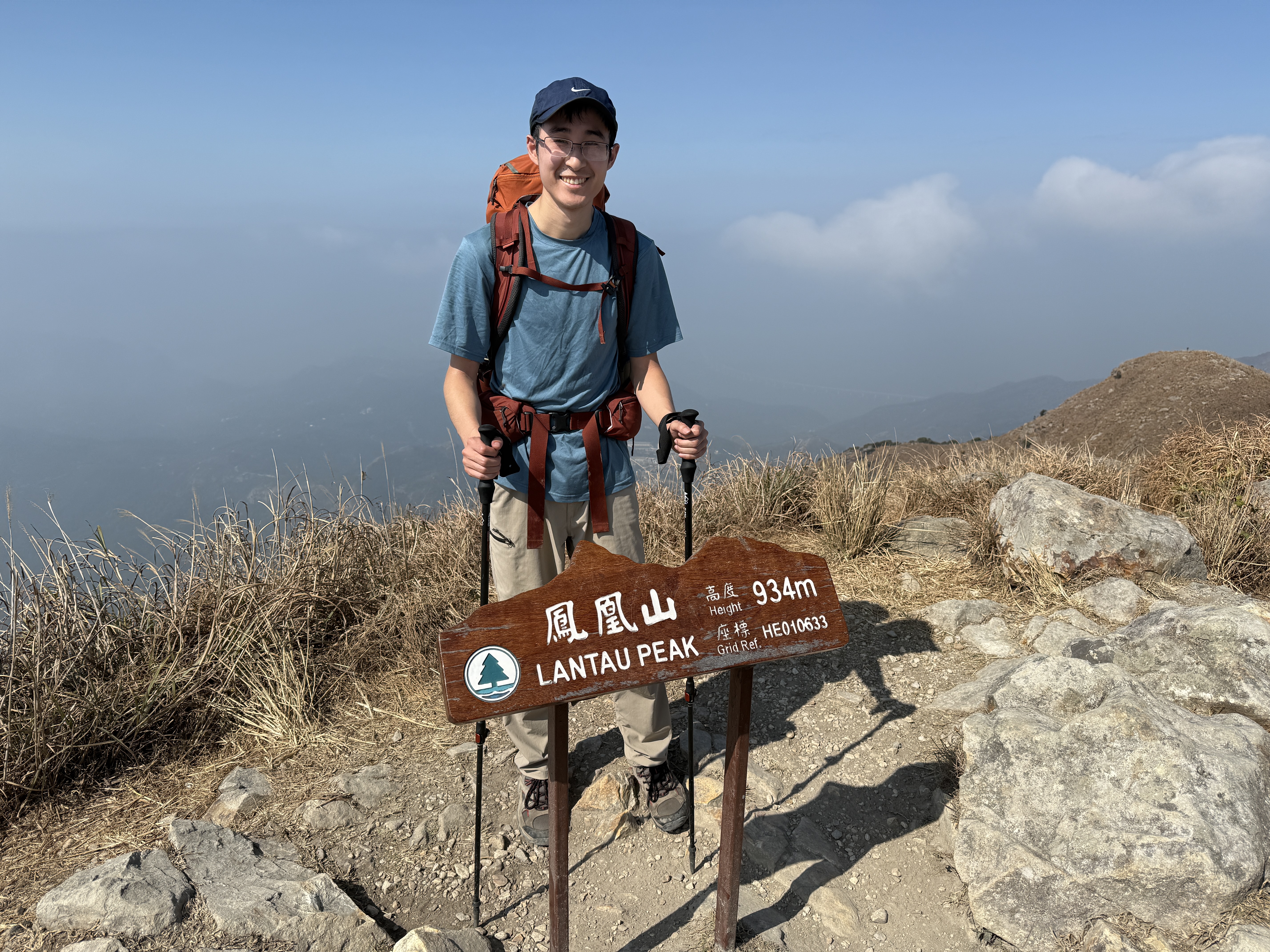
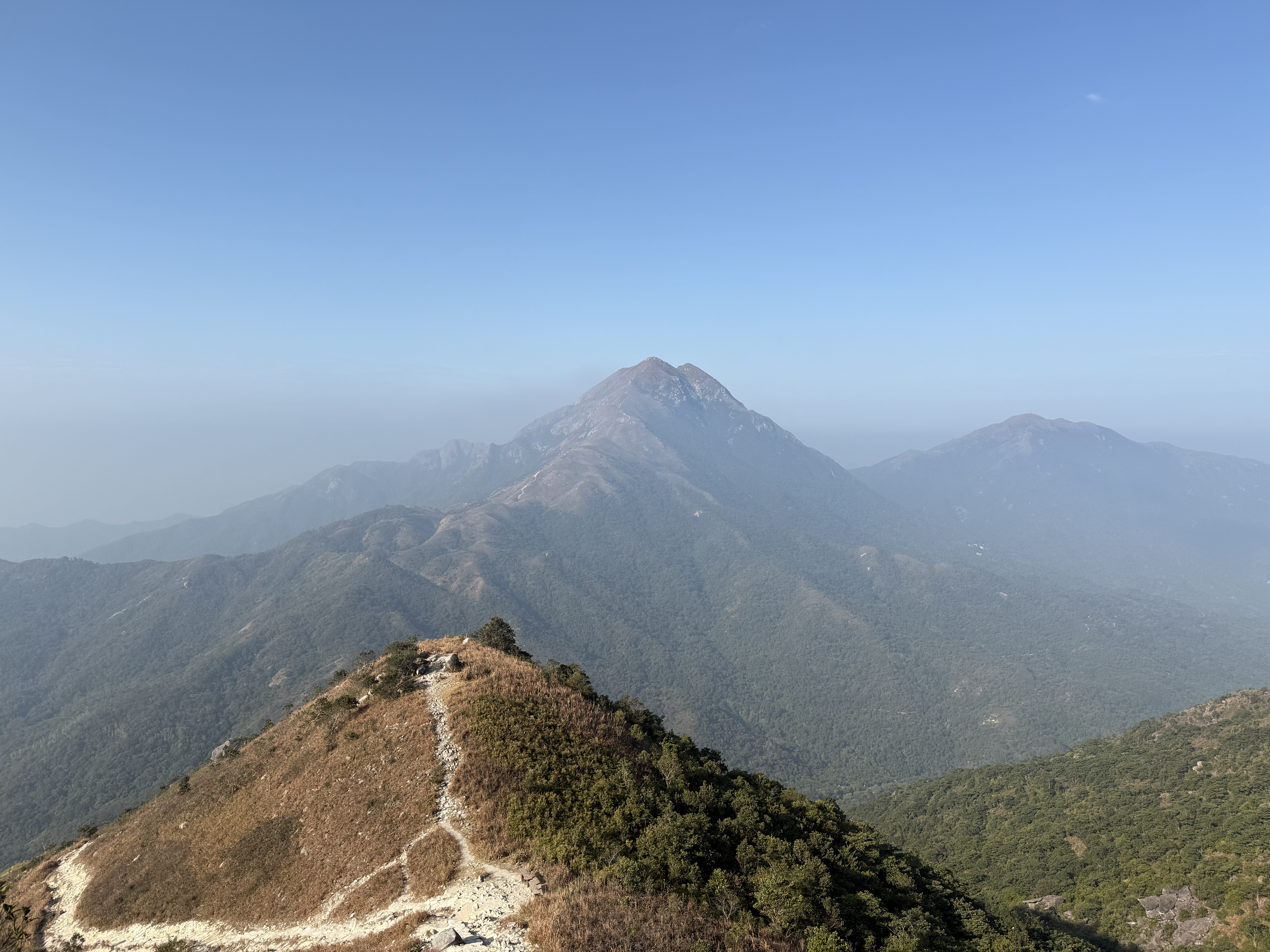
Immediately afterward there was a sharp plunge into the Pak Kung Au pass, where I started to see lots of other hikers. I stopped to use the bathroom and joined the crowd heading up Lantau Peak, which at 3,064 feet is the second-highest peak in Hong Kong. This part of the hike was a bit of a slog, but at least the view looking back toward Sunset Peak and the coastline was quite nice. When I eventually reached the top of the mountain, I rewarded myself with a mango gummy that I had brought from the hotel.3 I stayed at the summit for a bit hoping that the fog would clear so that I could get a clear picture, and I chatted with some local hikers in the small storm shelter at the top. Eventually though, I gave up on waiting for the weather to clear and began the hike down into the Ngong Ping Village.
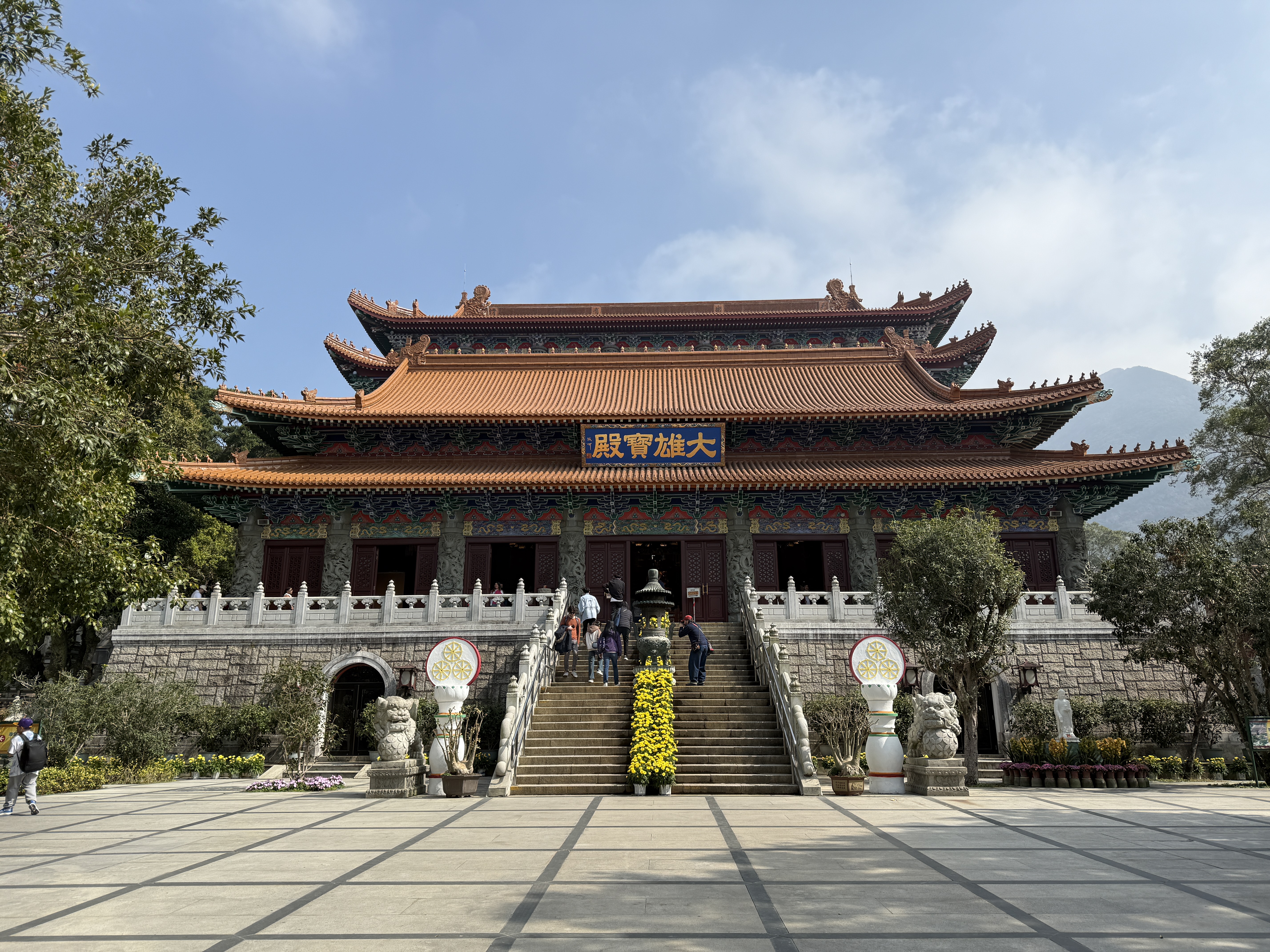
The Ngong Ping Village is actually one of the most well-known tourist destinations on the island (well, aside from Hong Kong Disneyland), serviced by a cable car from Tung Chung. The main attractions here are the Po Lin Monastery and the giant Tian Tan Buddha statue. It was a bit surreal to walk out of the woods and into this massive conglomeration of tourists, but I decided to embrace it; I stopped by the temple café and tried some of their specialty bean curd dessert, which was okay. I also filtered some water from the faucet at the bus stop bathroom, which was surprisingly quite clean.
The next mile or so of trail was spent going downhill along the side of a road, though I didn’t really mind because it’s kind of a vibe to walk along a mostly-deserted road in the mountains.4 Eventually, the trail left the road again, but at the entrance to this section of the trail, I was greeted by a rather unwelcome sight: a posted notice saying that part of the Lantau Trail was closed due to landslides caused by typhoon damage! The affected section of trail was mostly around Fan Lau, which actually would’ve been the ideal campsite if I were to hike the entire Lantau Trail in one weekend, although in practice I wasn’t making a fast enough pace to be on target for that.
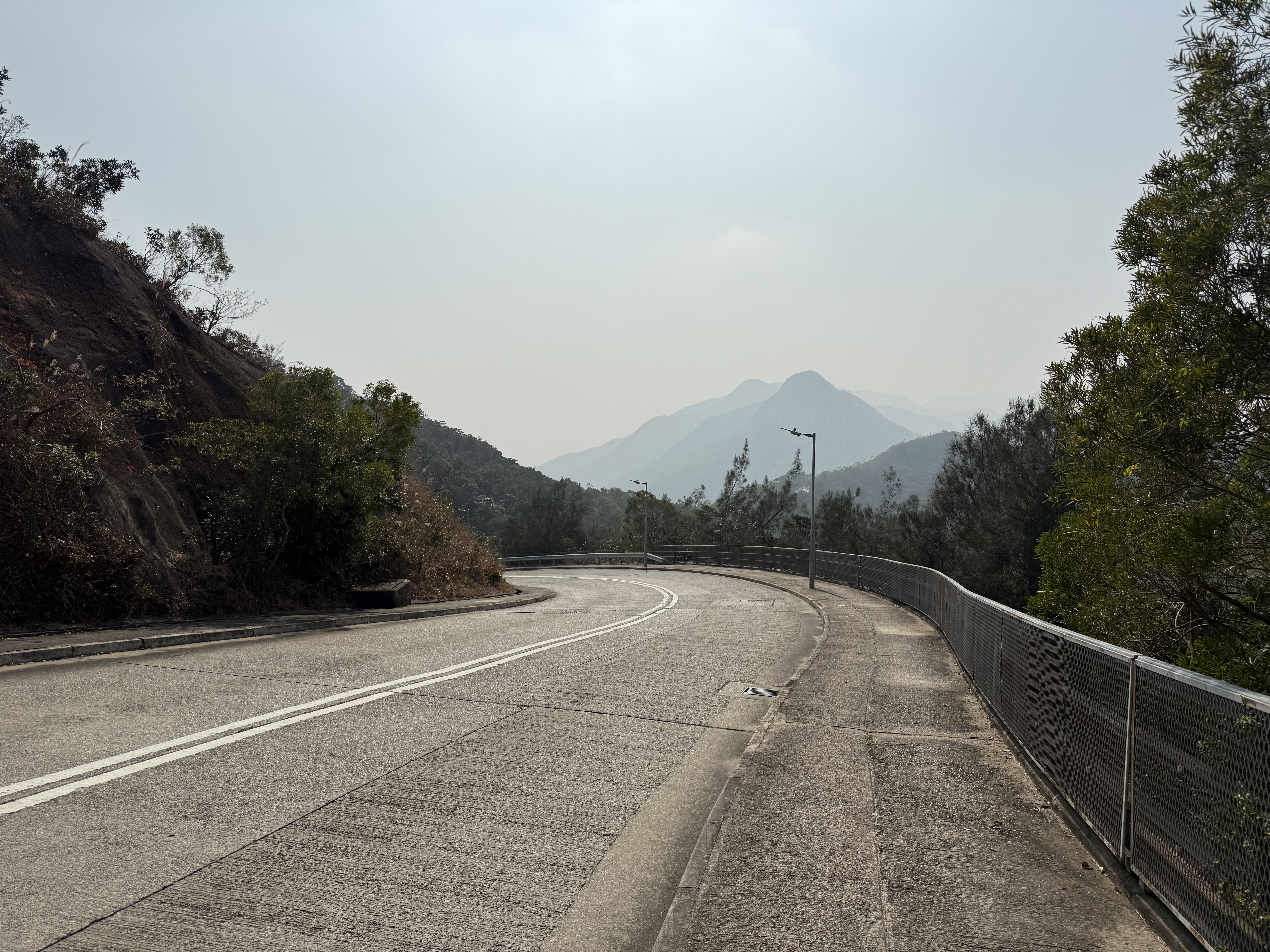
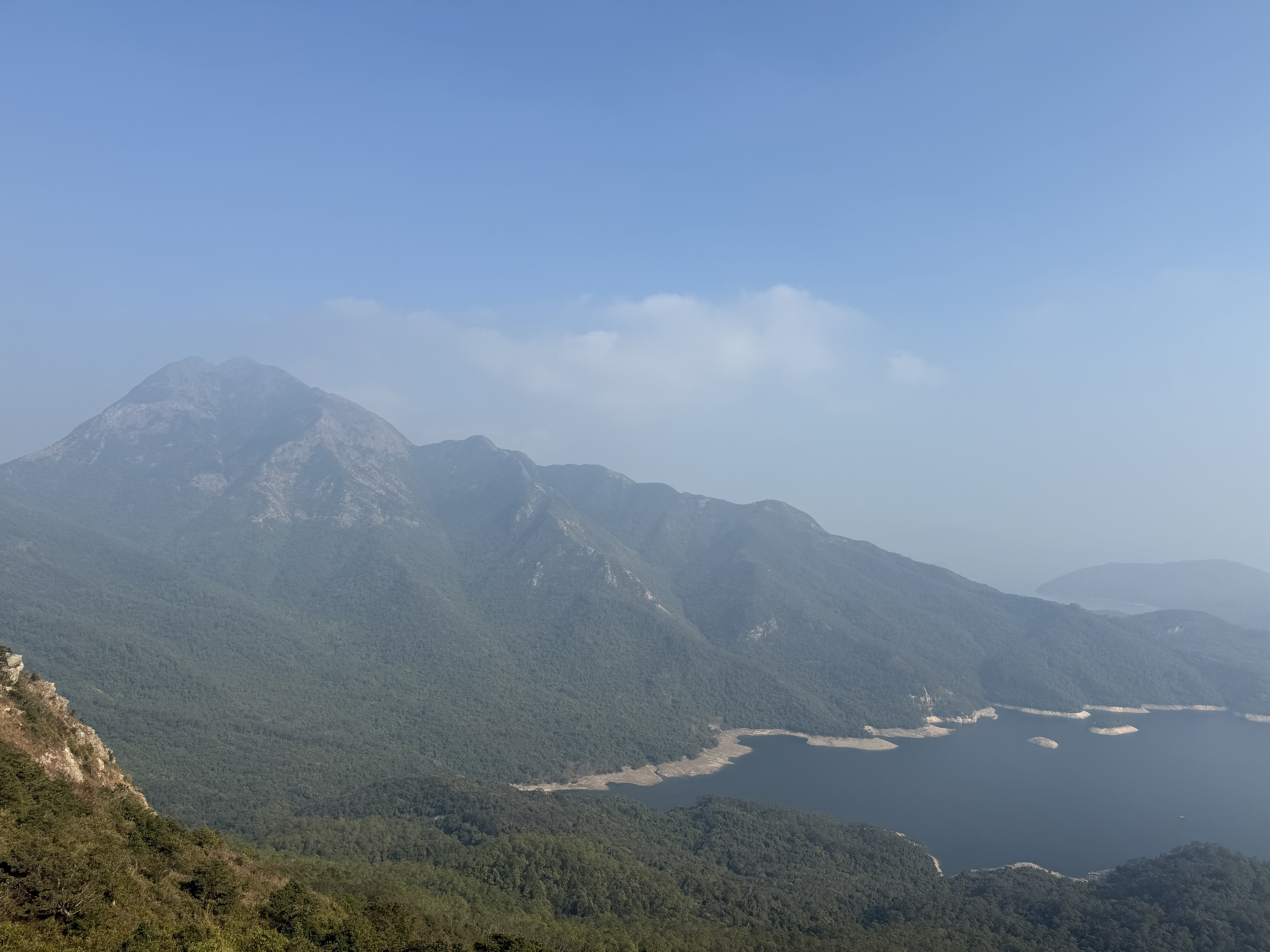
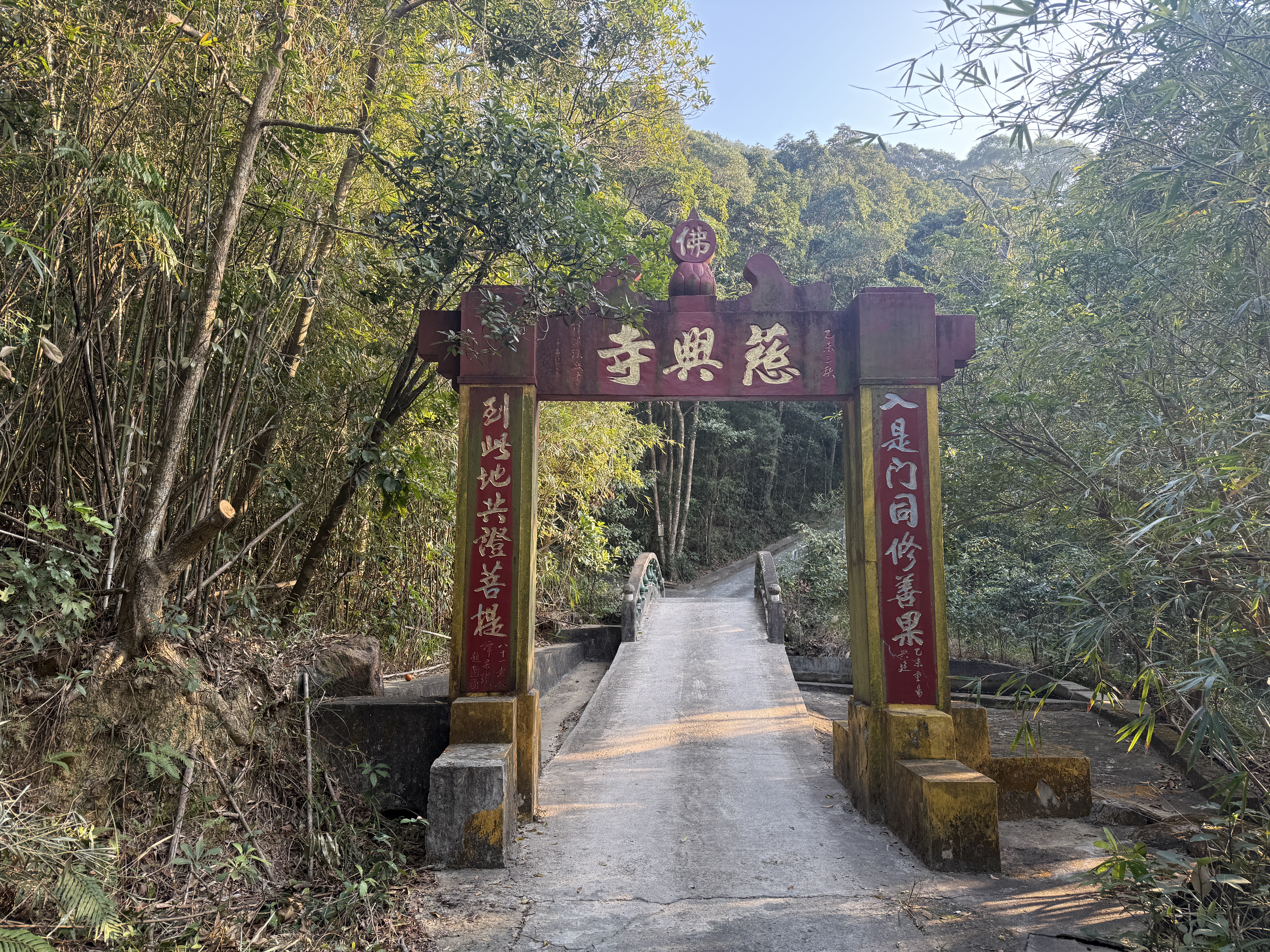
I stopped for a bit to weigh my options in light of the trail closure, to determine what made the most sense in terms of hiking and camping options for the night. I wanted to see the fishing village of Tai O, which Felix had recommended to me independently of this hike, but I wasn’t sure whether it made the most sense to push forward on foot to the village and try to camp nearby tonight, or hail a cab to the village and then hike out of there, or do something else entirely. I ended up deciding to hike a few miles to the campsite at Man Cheung Po and then hike up to Tai O the next day. This next section of trail wasn’t quite as nice as the previous one—what with Sunset and Lantau Peaks—but it was still an okay climb up and over Keung Shan, with views of the Shek Pik Reservoir to the left.
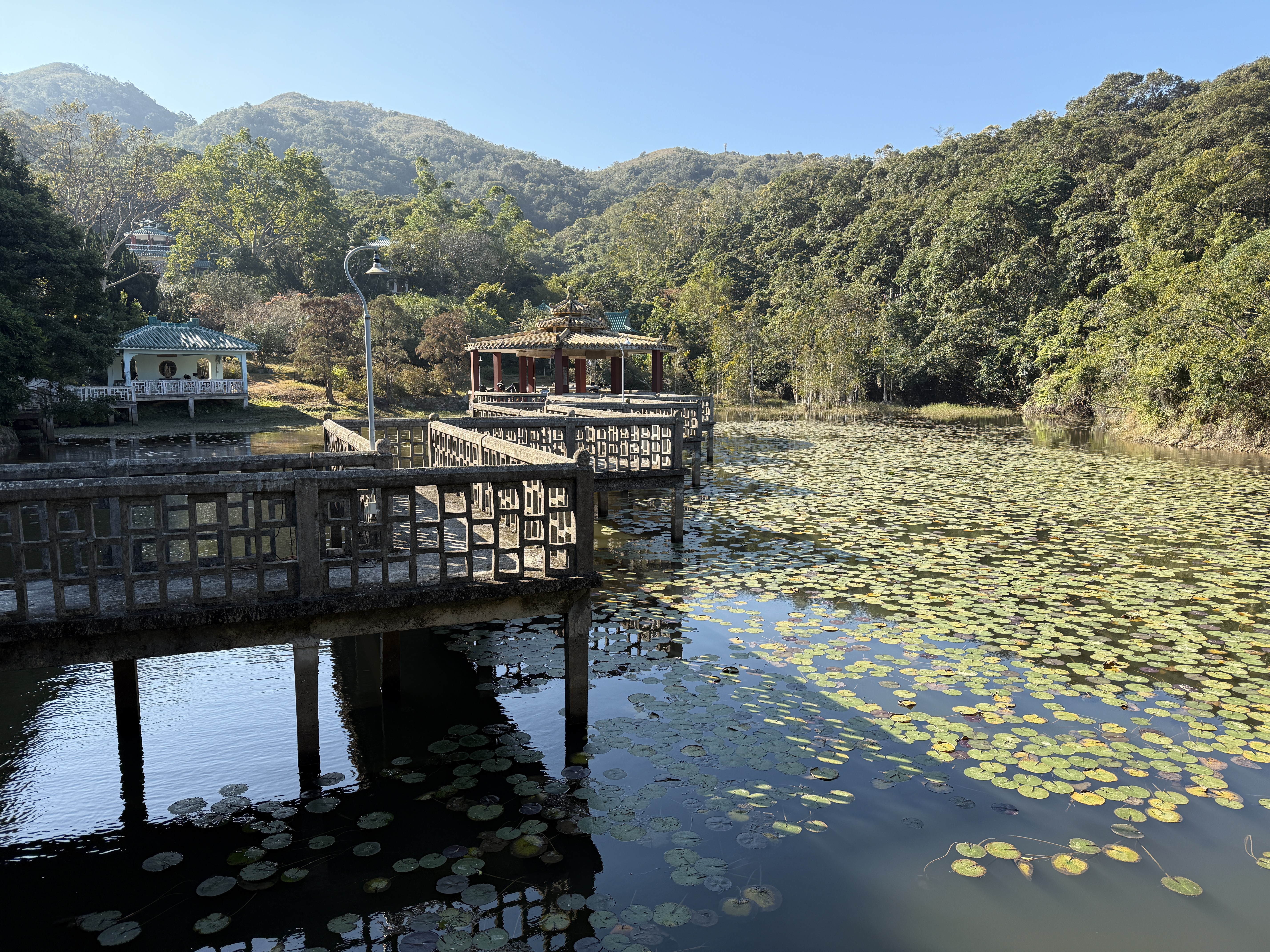
When I got to the Man Cheung Po area, I found it fairly interesting—basically a few abandoned roads in the jungle concealing the entrance to a small monastery in the mountains! This obscure monastery, called the Tsu Hsing Monastery, was unfortunately closed to visitors, so I only have some exterior pictures, but I saw a real monk in monk robes walking around nearby, which was quite fun. There was also a nearby stream to filter water from, and a bunch of campsites on a hill. I was early enough to claim the last campsite for myself, but then a party of nine middle-aged Chinese backpackers ended up arriving a little while later, and I ended up sharing the site with them. We didn’t socialize too much, but their arrival actually turned out to be a really good thing for me, because they agreed to take my mostly-full fuel canister with them for later use. I had been wondering how I would dispose of that; it felt a bit wasteful to burn off all the excess and puncture it after only using it twice, but the shop that sold it to me also said they wouldn’t accept it back.5
Now that I was definitely no longer gunning to complete the entire forty-mile Lantau Trail in one weekend, I allowed myself the luxury of a slightly later start to Sunday, hitting the trail at around 9:30 am. The area was too remote to get good cellular reception to check the weather, but I was secretly hoping for it to be an overcast day, because I would have been kind of mad if it were a perfectly clear day after my disappointing fog on the summit yesterday.
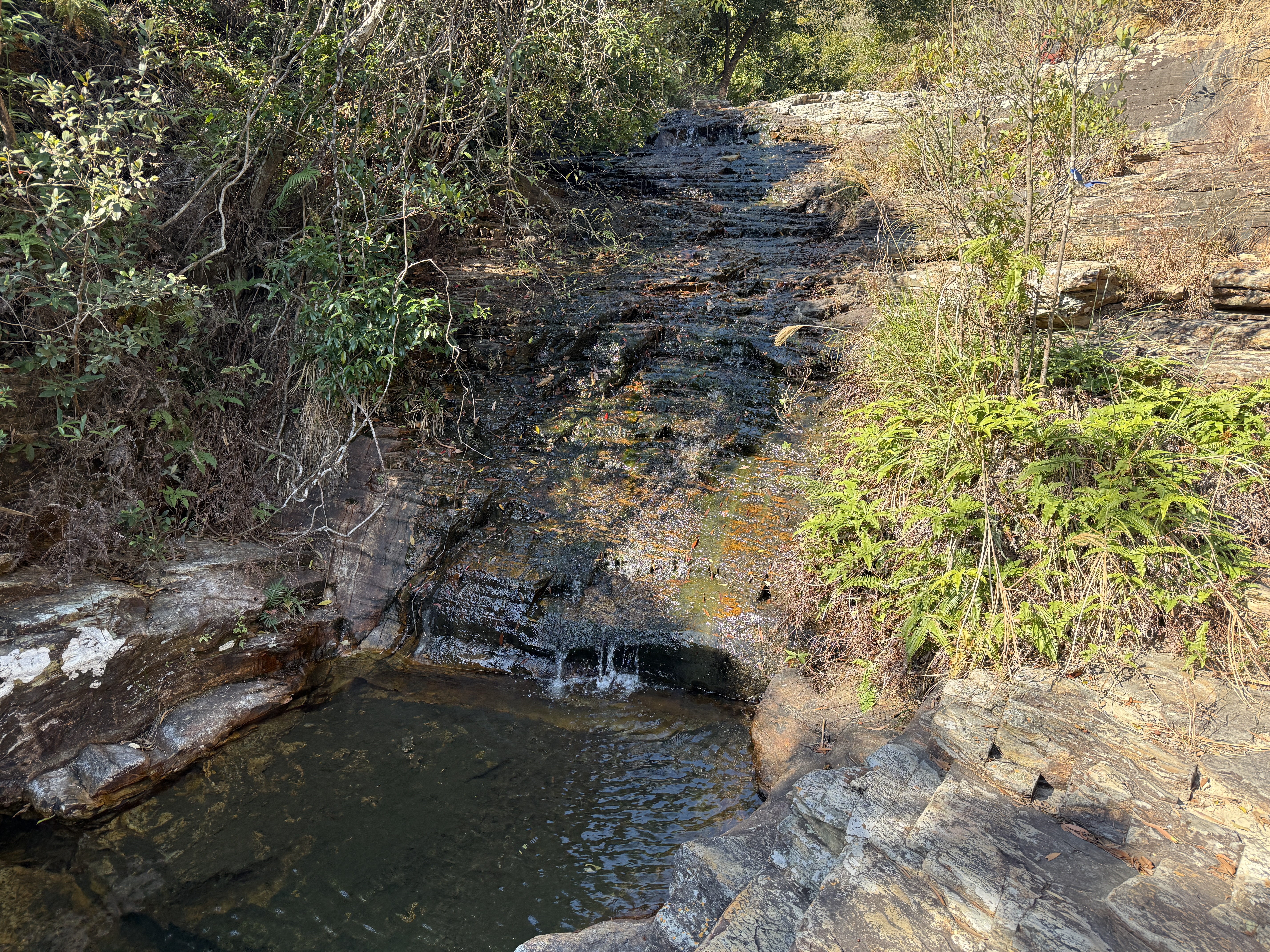
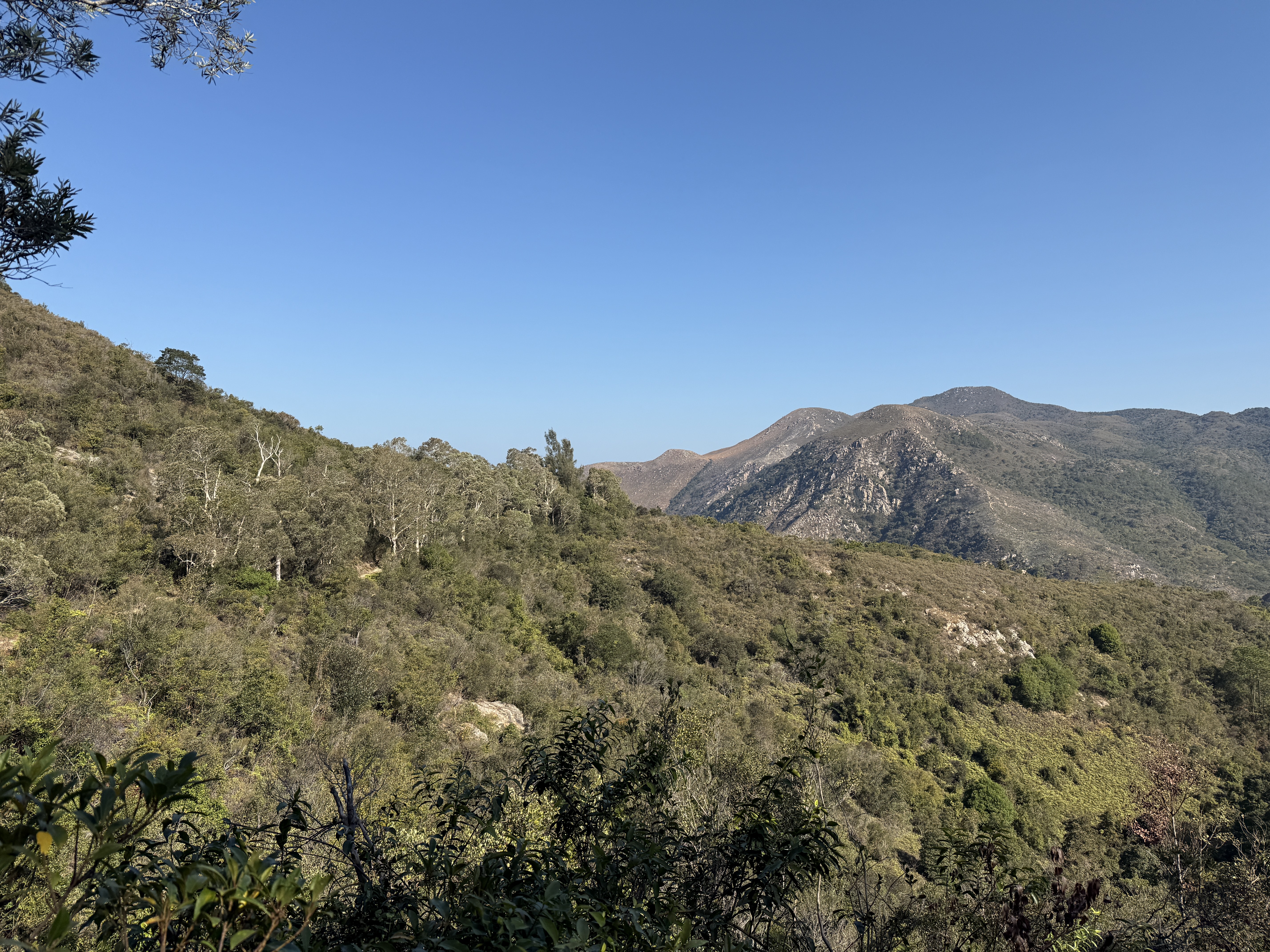
The first order of business was to hike about three miles downhill into Tai O and grab something to eat there. I actually really loved this section of trail: there were sweeping views of the mountains, a marvelous little waterfall that I sat next to for a while just enjoying life, and the random hidden garden of Lung Tsai Ng Yuen. This is a landscaped Chinese garden deep in the forest that has fallen into disrepair since the death of the original owner; it has apparently not been open to the public in years. Whoever now owns it seemed quite intent on keeping visitors out—there was a barbed wire fence, a large gate, and a guard dog—so I just walked past and snapped some pictures from the outside.
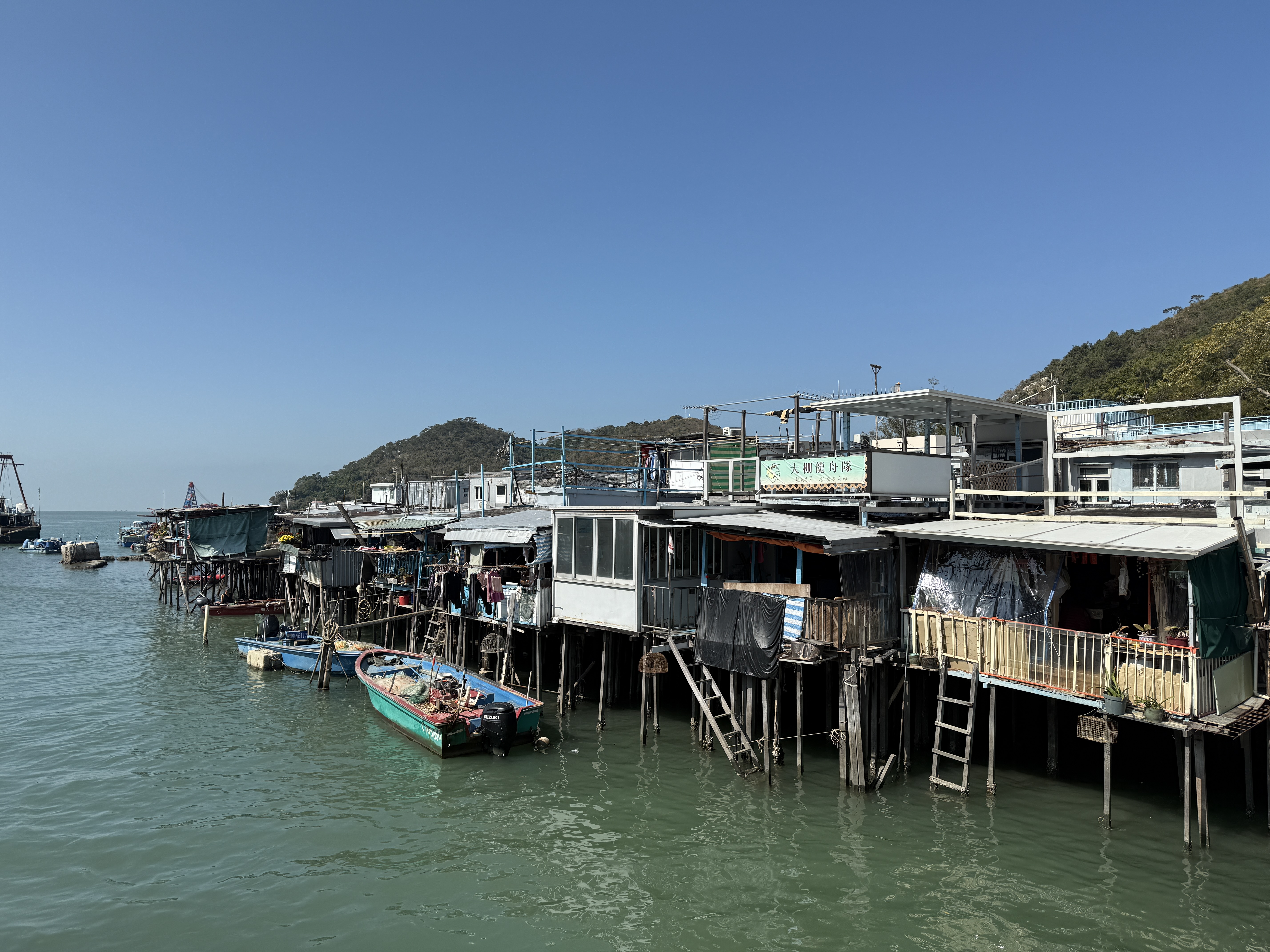
After some more hiking, I strolled into Tai O, a well-preserved and somewhat remote traditional fishing village in the western area of the island. It’s sometimes marketed as the “Venice of Hong Kong” because of the houses built on stilts over the water. The village was nice, but I think whoever came up with that one must be quite the marketing genius, because I’ve been to Venice, and, uh, I think I would take the view from the Markan Campanile any day. Still, it was a lovely little village, and I enjoyed strolling through the streets and buying random foods to eat. I stopped for lunch at a small restaurant that seemed to be jam-packed with locals, but unfortunately the dish I ordered wasn’t that good.
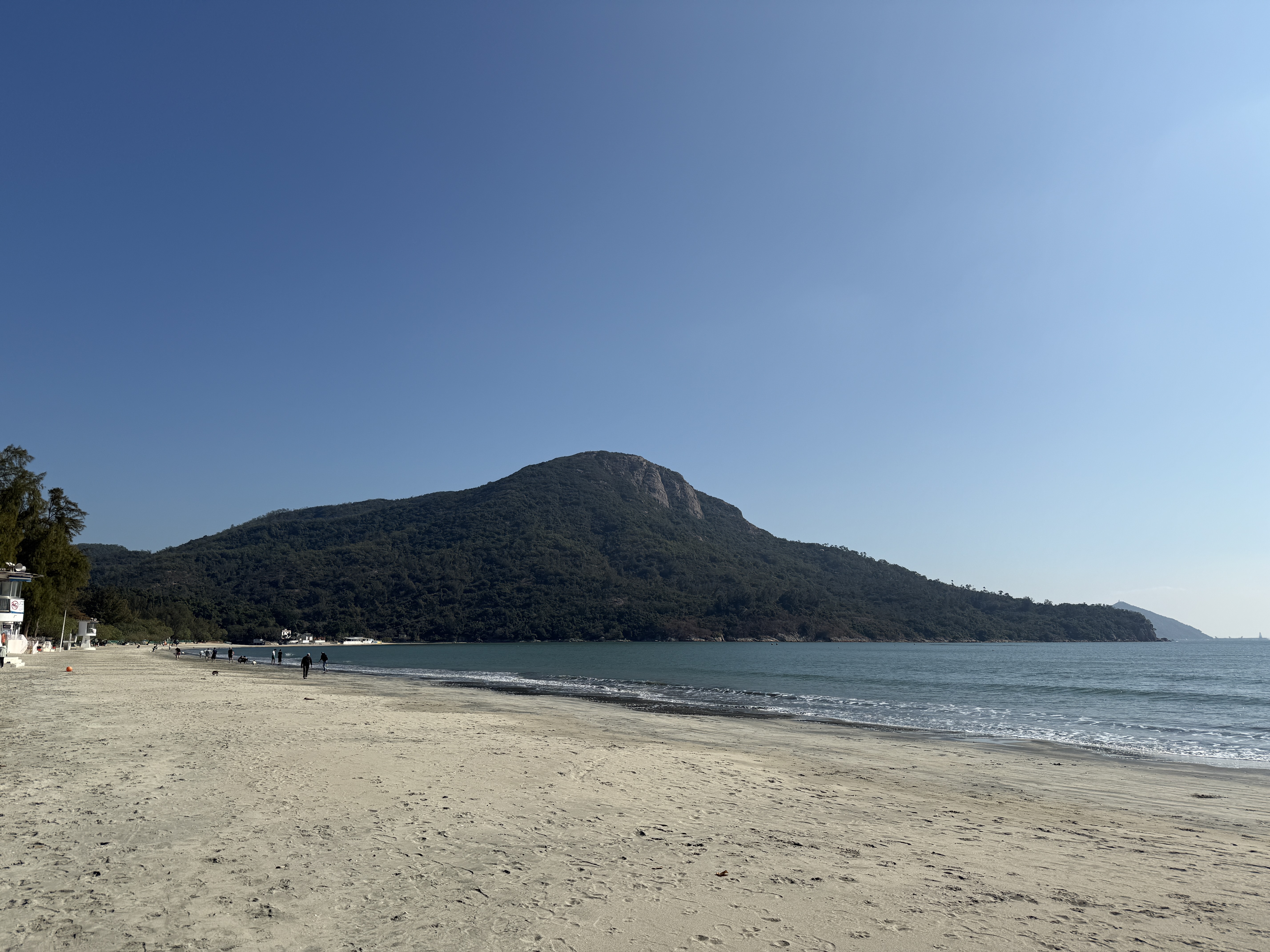
After I felt like I had wandered around Tai O for long enough, I faced a bit of a choice about what to do. Since the trail was closed at Fan Lau, there was little point in continuing to hike south along the trail, so I decided to take the bus to Pui O, mostly to see the famous beach. I quite liked the beach there, and I also got to say hello to the local herd of water buffalo.
From Pui O, I began the hike about six miles back to Mui Wo. The initial bit of the trail was on not-especially-scenic road; the highlight here was perhaps seeing a stack of free English-language books that someone had left outside, with such diverse titles as Sunset Ideas for Patios and Decks, The Fabric of Reality (by famous quantum computer scientist David Deutsch), and C.S. Lewis’s Screwtape Letters. There was also one last (small) climb to contend with, up Tai Ngau Wu Teng, until I returned to sea level and hiked along the coast a bit to reach Mui Wo again. These last few miles of trail were also not that scenic, but there was a nice view of a tiny hidden cove, and the downtown Hong Kong skyline was also faintly visible in the distance.
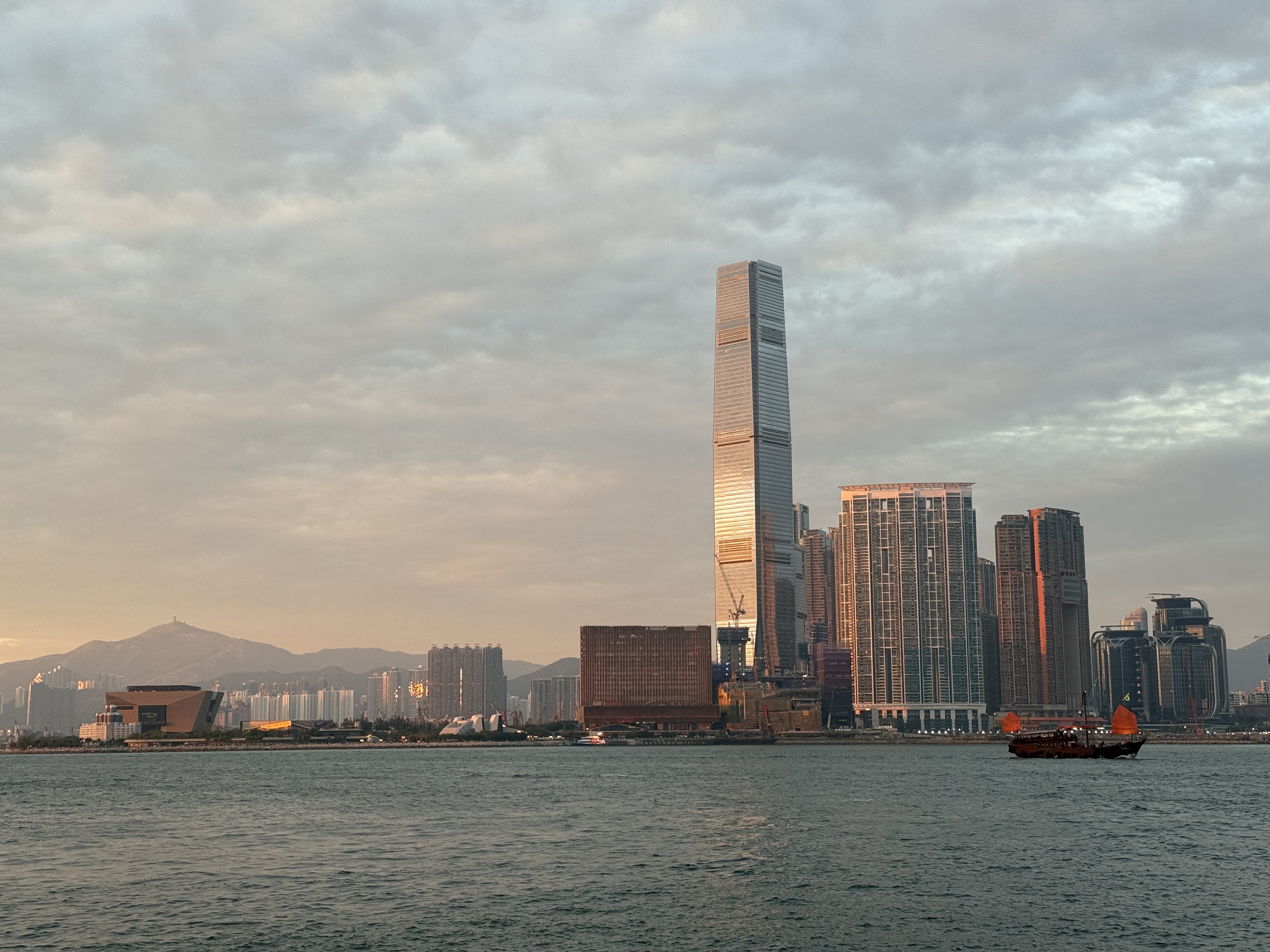
When I arrived at Mui Wo, I encountered a most amusing sight: a man walking his giant pet tortoise! This thing was massive, being almost knee-height! It wasn’t on a leash, but then again, I guess you don’t really need a leash for a pet tortoise; it would be a bit embarrassing if that managed to run away from you. There wasn’t much else to do in the town, and I was kind of excited to get back to my hotel and take a shower, so I just took the ferry back to Central. This actually ended up being perfectly timed, and I managed to see the sunset reflected off the buildings in Kowloon as I got off the ferry. I felt a tiny bit awkward walking through the lobby of the Four Seasons while quite gross from a weekend in the mountains, but oh well, I was a paying customer. (Or at least my firm was paying.)
Finally, after a nice shower and bath, I continued the long tradition of over-ordering food after physical exertion and got about two people’s worth of dry pot at a nearby Sichuan place. The food was quite good, but of course I ended up not finishing it.
The hiking in Hong Kong was surprisingly quite good, despite the city’s reputation for urban density—just a short ferry ride away from the concrete core lies great natural scenery. One thing to note is that hiking here feels a lot more like hiking in Europe than in the United States, in that even the more remote islands are decently developed. You’re constantly crossing roads and small towns, with chances aplenty to buy noodles and souvenirs, which of course is charming in its own way. But there isn’t the sense of pristine wilderness that you’d get from backpacking in a lot of the western United States.
Some thoughts on gear and logistics choices:
Besides the hike, I also got up to some other things during the two weeks I was in Hong Kong. I’m too lazy to write up a separate post for those, so I’m going to dump them here:
Anyway, some pictures of the above exploits are below; I have more that I like, but alas these galleries look best with three or six pictures, so I have to choose my favorites:
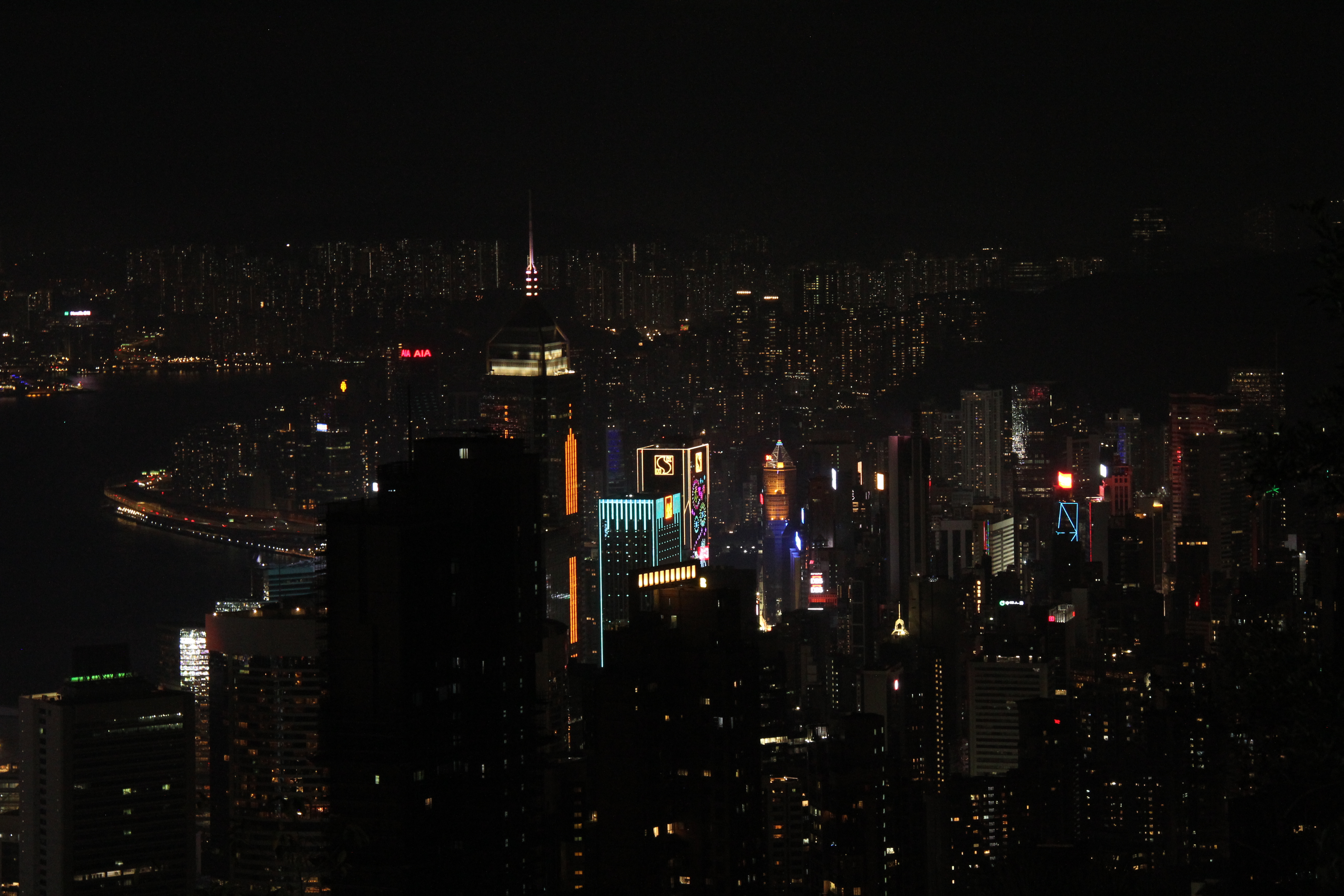
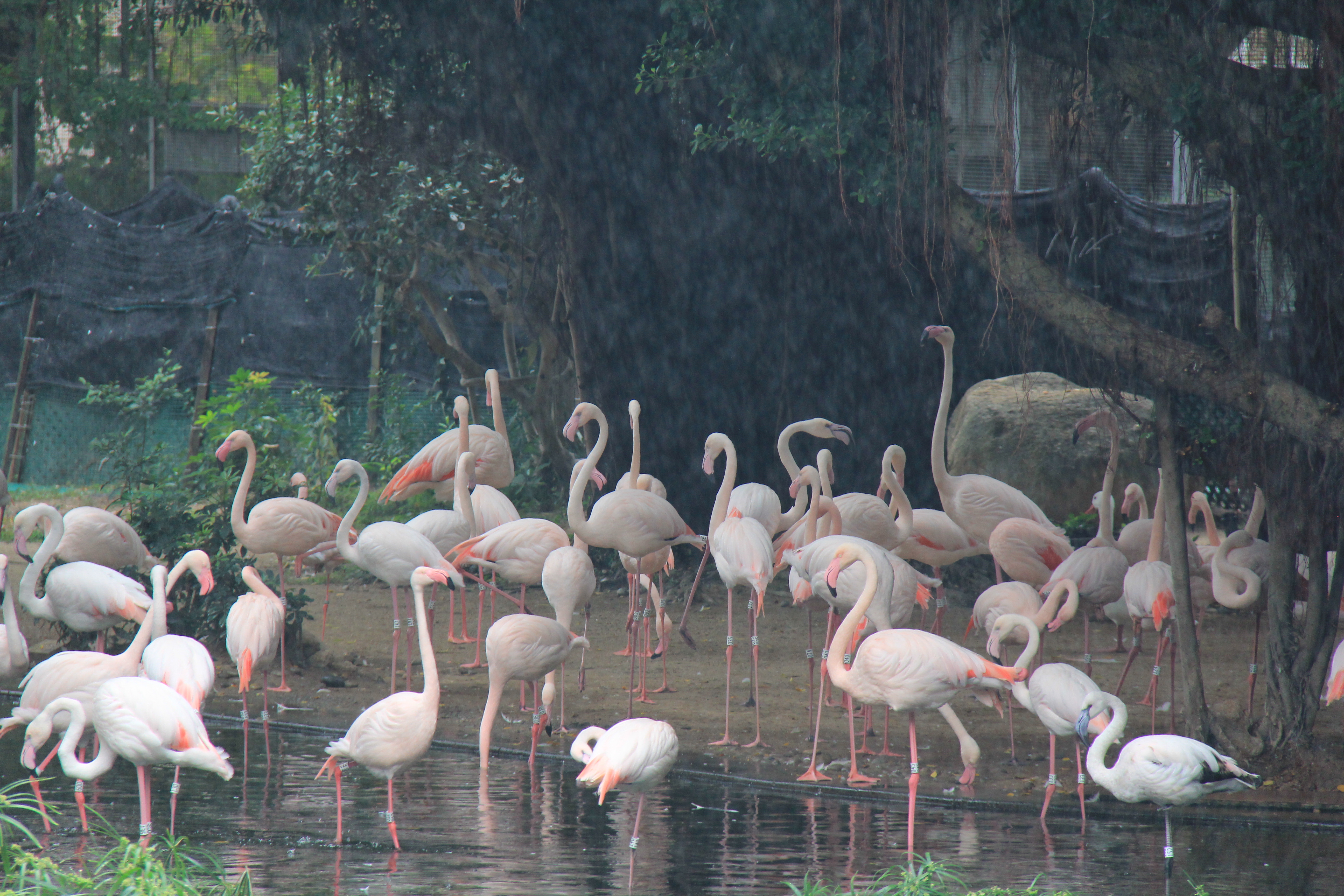
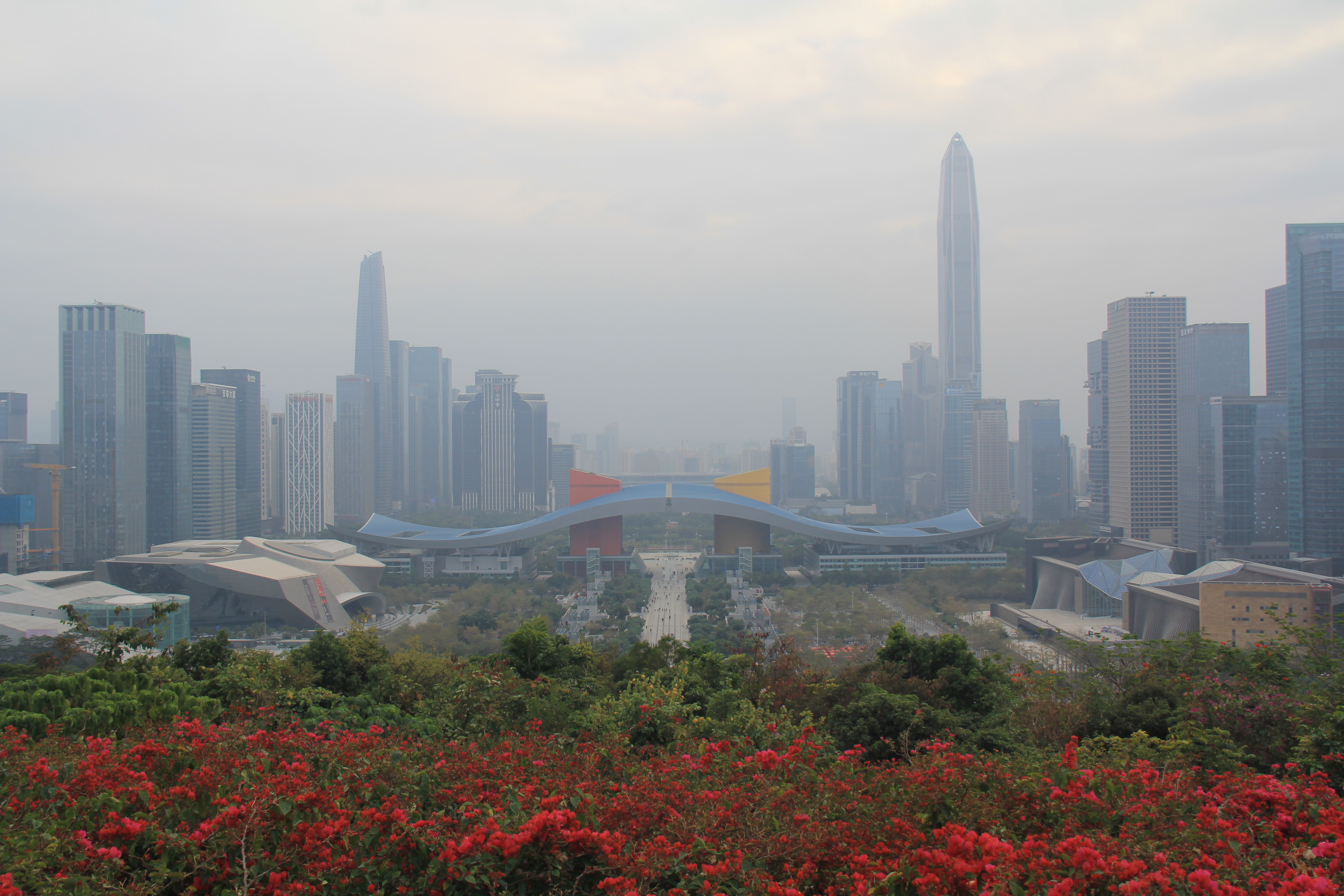
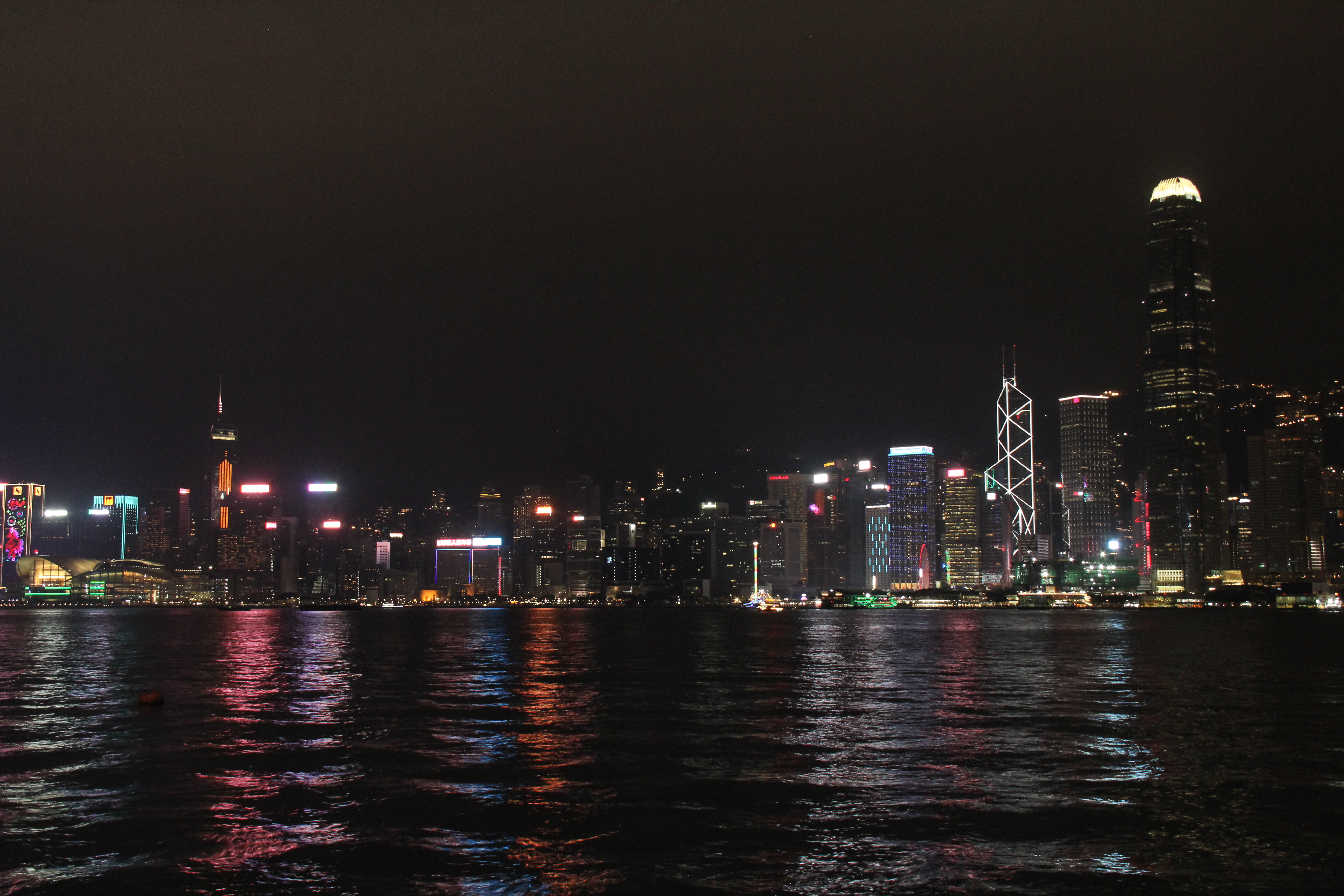
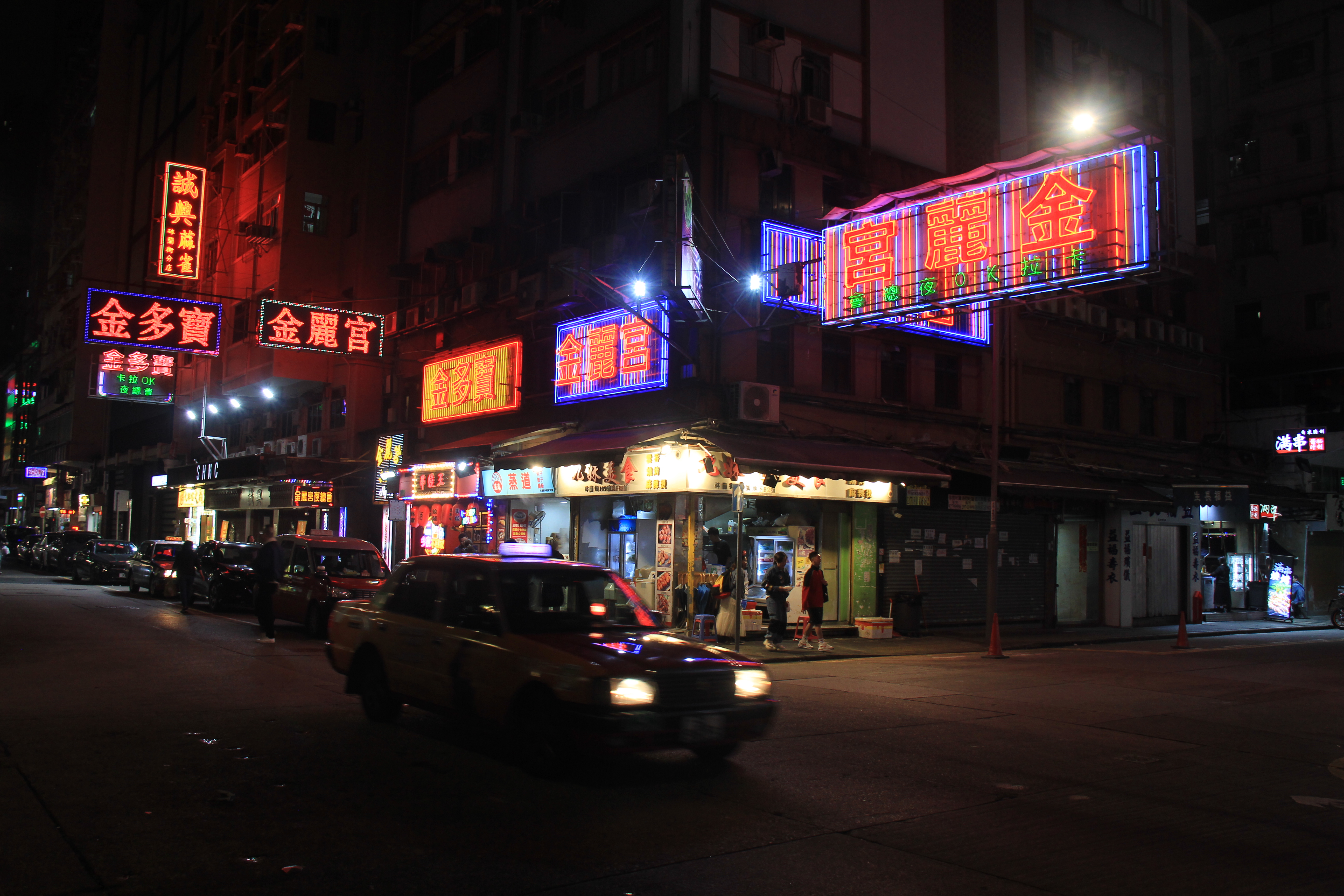
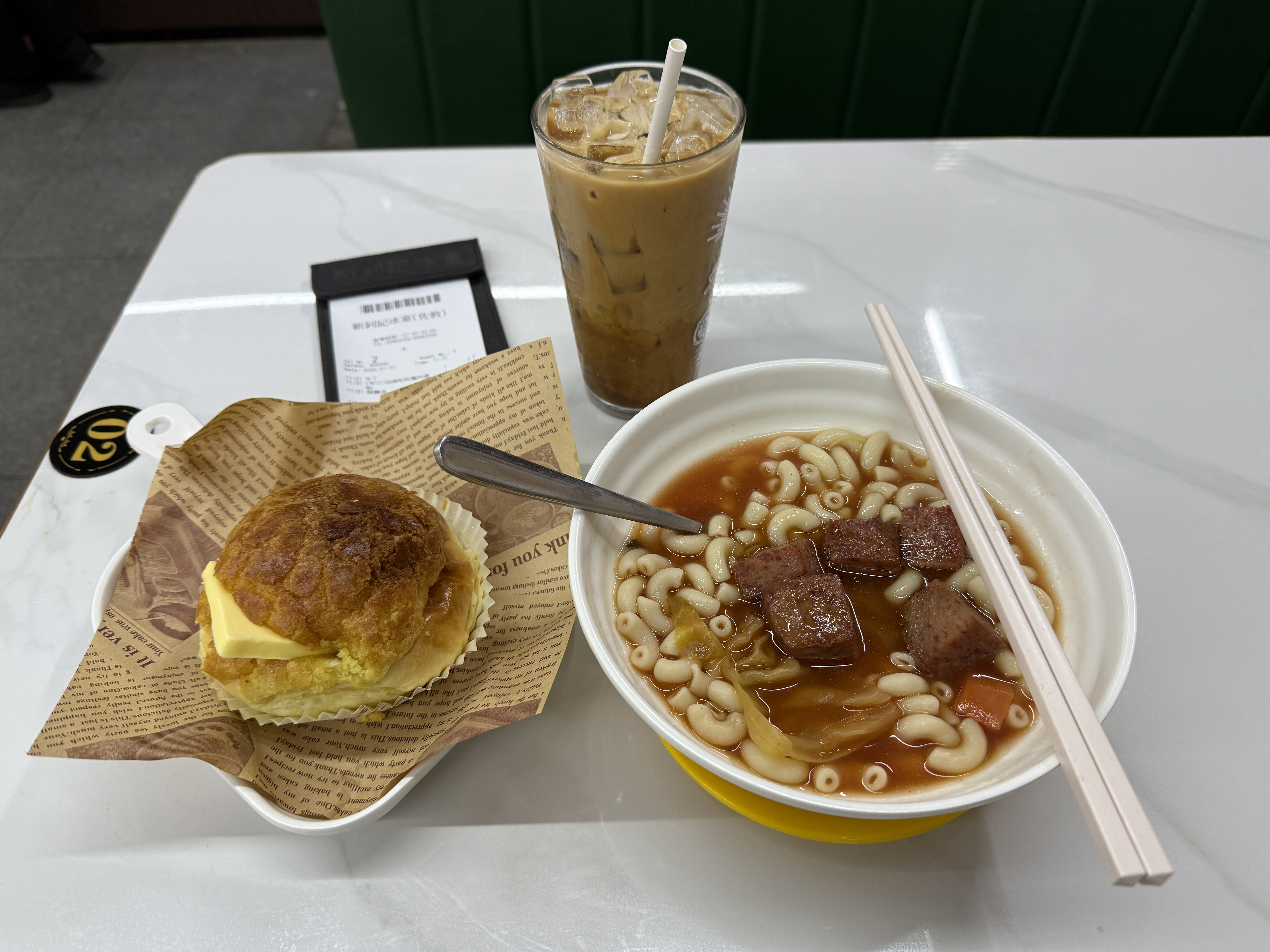
Overall, I quite enjoyed Hong Kong. I think I will probably be back in the future for family reasons, and so perhaps stay tuned for hikes along Hong Kong’s other famous trails!
Some Chinese backpackers I met actually started laughing when I told them that I was here on a business trip.↩︎
Well, I think I’ve made a similar claim before that the best way to get a good sense of an area is to bike through it, but you get the point.↩︎
Okay seriously, those hotel mango gummies had absolutely no right to be that good. I grabbed all the gummies they gave me to bring home.↩︎
I will admit to having stowed my poles while walking on the pavement; hopefully that doesn’t cast suspicion on my trekking pole advocacy.↩︎
Lots of REIs in the United States accept partially-used fuel canisters, which employees can then use for their own trips.↩︎
Strava link for the doubters.↩︎
Fun fact: did you know that the necks retract?↩︎
Comments